Why You Need to Plan Your Death | A Guide for Single Women

If you’re a single woman, you need to plan your death.

Actually, if you’re anyone you need to plan your death. But this post is directed specifically at solo/single women. The Spinster’s Guide to Death is a 4-part series on (you guessed it):

Death and the Single Woman

The fear of dying alone has prompted many a single woman to settle for a less-than-ideal partner. It’s like the ultimate bad death, next to being horribly murdered.  We see it on TV, read about it in the news, and shudder.

I’ll talk more about this fear in parts 3 and 4 of this series. In this post, I’m going to focus on the two main reasons you need to plan your death:

  1. It’ll bring you peace of mind.
  2. It’s your responsibility, not your family’s.

Let me explain these two reasons in a little more detail.

Why You Need to Plan Your Death | A Spinster's Guide to Death Part 1

The Comfort of Planning for Death

When I was younger, I came across Pearl S. Buck’s The Good Earth. The story follows a Chinese peasant family before World War I. I loved the book, but was struck by the strange way they handled death. When one of the characters is dying, her husband buys her a coffin and sets it in the room where she can see it. The sight gives her great comfort.

This raised a few questions in my American, 90s kid mind:

  • Wouldn’t it have been more loving to insist she’d get well than to admit she was dying?
  • Even if denial wasn’t an option, why put the coffin—a constant reminder of her impending death—right in front of her?
  • Why would the sight of one’s own coffin comfort someone who didn’t want to die?

It would take years for me to begin to understand how the sight of one’s coffin could be a source of comfort. The culture in the novel’s rural Chinese village was extremely different from the one I grew up in, where death was almost never mentioned and certainly never seen. There, as in many societies in many different times, death was not something that could be ignored. It was the only sure thing in life.

The dying woman in the book knew she was dying, and so did everyone else. Rather than try to comfort her by denying this fact, they comforted her by showing her that she would have a good death. Her coffin was paid for. She would be buried properly and have a proper grave that her family would visit. She didn’t have to worry about what would happen to her remains—and by extension her soul—after her death.

{Psst! You’re entering the part of the post that contains affiliate links to death-positive resources. Please read my affiliate disclaimer here.}

The Discomfort of Stranger Danger Death

Why You Need to Plan Your Death | A Spinster's Guide to Death

In her bestselling book, Smoke Gets in Your Eyes & Other Lessons from the Crematory, mortician Caitlin Doughty talks about listening to people’s fears about what will happen to their bodies after they die.

One woman called to ask if bodies were kept hanging on meat hooks in the refrigerator like sides of beef. An enraged gentlemen informed me that we shouldn’t be charging or a sea scattering because all that meant was “dumpin’ the ashes in the toilet with a packet of salt and flushing.”

It broke my heart to hear them, even the ones who were screaming at me. Holy crap, you’ve been thinking that? I thought. You think you’re going to die and be hung on a meat hook before being thrown into a bonfire of corpses and flushed down the toilet?

Doughty finds that the more straightforward she is about the decomposition, embalming, and cremation process she is—even the indelicate parts—the more relieved people are. It reminded me of my teenage curiosity about death, which ultimately led me to the goth subculture. I’d just wanted to know about the only guaranteed part of my life. The part no one (except the goths) ever wanted to talk about. I wanted to pull back the dark overcoat and see what this lurking stranger looked like underneath. And once death wasn’t a stranger, she really wasn’t so bad.

I mean, have you met Neil Gaiman’s Death? She’s rad.

It’s Time to Take Responsibility for Your Death

I used to say, as many folks do, “I don’t care what my family does with my body. They can dump in the trash for all the craps I give about it.” But that was before I really embraced the solo life. As a solo woman in my 30s, everything in my life is my responsibility. And that includes my death.

Why You Need to Plan Your Death | A Spinster's Guide to Death | Image by jeffjuit

I came to realize how irresponsible it was to leave everything for my surviving relatives to take care of when I began working with estate accounts. People would come in to the financial office, half-dazed by the shock of a death, trying to understand legal issues most people can’t interpret without a lawyer. Arranging for the simplest funeral was often overwhelming. Basically, everything involved with the legal side of death was foreign, expensive, and confusing for the survivors.

The other factor was that I had actually started to care about what happened to my body. When I first saw the Bios Urn, I remember thinking, “Oh wow, my death could actually do some good. I could be part of the circle of life for real.” Later, when I started watching Caitlin Doughty’s Ask a Mortician YouTube channel (which later led to me buying her books), my eyes opened to the realities of the death industry. I didn’t want my body to slowly liquefy in an anti-decomposition lead box. In fact, I found out that what I really wanted was to be laid to rest in a conservation cemetery in my home state. Imagine me, the woman who once thought a Hefty bag on the sidewalk awaiting the trash compactor would be a fine funeral, becoming sentimental about death.

The Spinster’s Relationship with Death

Okay, so what does all this have to do with being single and/or childfree? A lot, actually. Here are the main reasons you, as a solo woman, need to plan your death:

  1. You can’t (and shouldn’t) depend on someone else to do it for you. You don’t have the luxury of assuming your spouse or child will handle things for you.
  2. Your death plan includes your life plan. As someone without a spouse or kids, you’ve got to set clear guidelines for what your next-of-kin should do if you’re incapacitated.
  3. Your death plan matters. Like I said, I’ll go into this more in the third installment of this blog series. For now, I’ll just say there’s a reason so many people fear dying alone.

Let’s look at these in a bit more detail.

#1 – You can’t (and shouldn’t) depend on someone else to plan your death.

If you aren’t married and don’t have kids, your next-of-kin is probably a parent. If they die before you, it’ll be your next closest family member. Does that person know what your wishes are? Do they want that responsibility? Do you want them making those decisions for you?

Don’t put a loved one in a situation where they have to grieve for you while wondering what you would have wanted and trying to figure out how to handle your estate. It’s not loving, and it’s not good for either of you. Remember, you can’t always count on a quick and easy death. Do you want your estranged aunt to be the one who decides whether or not to pull the plug?

#2 – Your death plan includes your life plan.

As stated above, you can’t always count on clean, sudden death. If you’re in an accident and can’t make decisions for yourself, someone else is going to make them for you. That is, unless you plan your death and have a clear advance directive in place. This form, which I’ll talk about in detail in the next post, tells healthcare providers what your wishes are should you become incapacitated.

#3 – Your death plan matters.

Again, I’ll talk more about why this is so important in the third post in this series. Sometimes death carries you off in the blink of an eye. Other times it’s a process. You deserve to be comfortable and safe during that process. Additionally, the fear of what that process might look like for someone who’s “alone” has been the foundation of many fear-based decisions.

Hopefully by now I’ve convinced you that you need to plan your death. If you’re ready to learn more, subscribe to The American Spinster email list to be notified as soon as I post the next installment.

In the meantime, cozy on up to your own mortality by visiting the Ask a Mortician YouTube channel.


Why You Need to Plan Your Death | Spinster's Guide to Death, part I

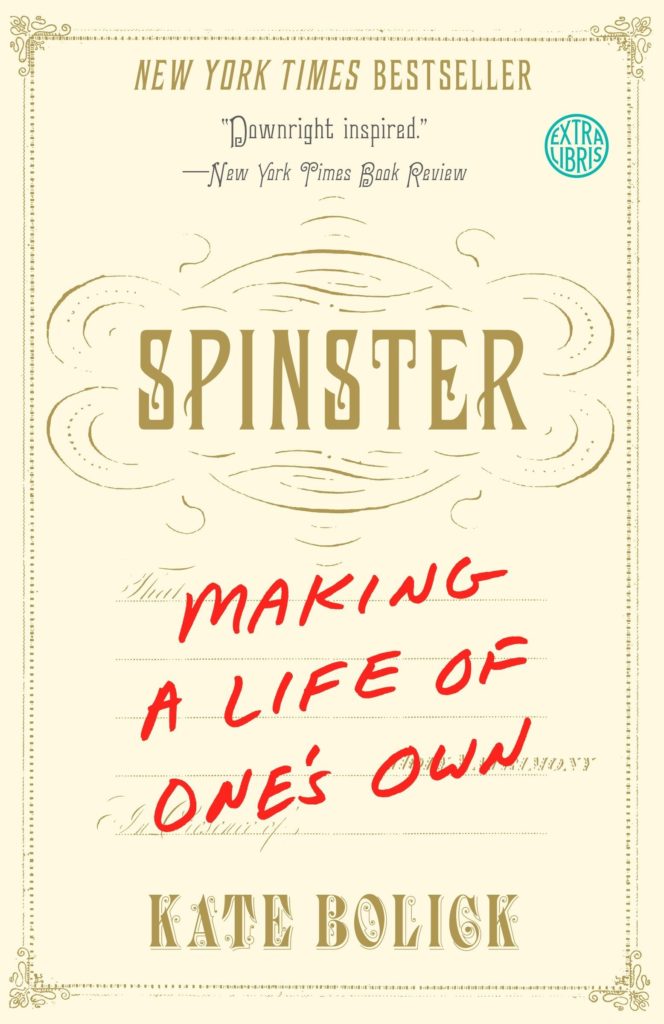
Spinster: Making a Life of One’s Own | Book Review

Spinster: Making a Life of One’s Own is written by Kate Bolick. It’s categorized as Social Science—Feminism & Feminist Theory, but it’s more than a sociological text. It’s a biographical, autobiographical, literary theory, and psychology text. Spinster asks the question, “What does it mean for a woman to truly live her own life?”

This question comes on a very long history of women sacrificing their own wants and desires to fulfill the needs of their children, husbands, parents, and society. In the past, accepting a marriage meant becoming a mother—something that would either end or limit a woman’s career. Bolick’s book shows that many spinsters might have been happy to marry (and some ultimately did), but refused because they were unwilling to subjugate their lives to the lives of others.

In modern American culture, women can marry and retain their rights, money, and careers. We can choose not to have children. What, then, is a modern spinster? Bolick weaves her decades-long search for the answer in with the lives of five female writers who chose spinsterhood over marriage.

{No spoilers, but I highly recommend this book! So expect to see some affiliate links in this post. You can read my affiliate links disclaimer here.}

The American Spinster’s Thoughts on Spinster

Normally, when people say a book “gives the reader a feeling of intimacy,” I read, “The author flung her most private moments onto the page in a crass manner, hoping to sound salacious.” That’s definitely not what happens in Spinster: Making a Life of One’s Own. Yet the book was truly intimate. By the time I’d finished it, Kate Bolick might have been a close friend I’d grown up with.

She skillfully introduces her relationships (sexual, platonic, and familial) alongside the biographies of the literary spinsters who’ve influenced her. It’s not just a historical, nonfiction account of women who pioneered the spinster life in the United States. It’s also an account of how the author responded to their work and their lives. The result is an intimate, informative, thought-provoking look at the innate desire to truly be oneself.

Spinster: Making a Life of One's Own, by Kate Bolick

Should you read Spinster: Making a Life of One’s Own?

Throughout the book, Bolick deals with what she calls “the spinster wish,” which is “shorthand for the extravagant pleasures of simply being myself.” She struggles to understand why she isn’t happy being in a relationship with a man who seems like her perfect match. A man she’s in love with. Time and again, she turns to her group of five spinster writers from the 19th and 20th centuries.

This book is perfect for anyone:

  • Interested in women writers, feminist theory, or women’s history
  • Struggling  to live on her own, financially or emotionally
  • Living in, or thinking about living in, a living-apart-together relationship
  • Harboring a secret “spinster wish”

Even if you don’t see yourself as a spinster (or even single), it’s still an inspirational look at, as Bolick writes, “holding on to that in you which is independent and self-sufficient, whether you’re single or coupled.”

Spinster: Making a Life of One's Own, by Kate Bolick


Looking for other great books about the solo lifestyle? I’ve got a whole library.

3 Ways to Leave a Childfree Legacy

What will your legacy be if you don’t have children?

One of the biggest emotional problems childfree people seem to face is disappointing their parents by not having kids. I’ve already talked about how to tell your parents about you’re childfree without breaking their hearts. Today, I’m going to go into greater detail about how to leave a legacy that they’ll be able to understand and feel secure with.

In this post, I’ll talk about:

  • Why your parents are concerned about their legacy
  • Why having kids isn’t always a good way to leave a legacy
  • How you can leave a legacy that makes them feel secure

The issue of who gets your money is a simple one, and I’ll go into it in greater detail in next month’s blog series. For this post, I’m going to focus on the intangible kind of legacy.

What’s the Big Deal About Leaving a Legacy?

The idea of leaving a legacy has been drilled into your parents through books, TV, movies, and—most significantly—their parents. A legacy is simply the way you’ll be remembered after you die. Most people plan to be remembered by their kids and their kids after them.

3 Ways to Leave a Childfree Legacy | The American Spinster | photo by drippycat

So parents can feel real distress when learning that their child (especially an only child) has decided to be childfree. They’ve been brought up to believe that their immortality is guaranteed through a strong family line. As long their descendants sit around the kitchen table retelling stories about their life, they won’t be forgotten. When their child reproduces, they feel safe knowing that the family they’ve built will continue.

Every Legacy is a Lottery

Yet this isn’t always a source of comfort or joy. Children won’t always live the lives their parents want them to. Try as some parents do, they can’t always force their children to share their interests and values. King Solomon, speaking of the heir to his throne, knew that all to well:

I hated all the things I had toiled for under the sun, because I must leave them to the one who comes after me. 19 And who knows whether that person will be wise or foolish? Yet they will have control over all the fruit of my toil into which I have poured my effort and skill under the sun.

– Ecclesiastes 2:18-19

3 Ways to Leave a Childfree Legacy | The American Spinster | photo by tom9802

How many times have you heard a parent talking about how their grown child isn’t living the life they wanted them to live? How often have you seen a father distressed at the way his son is handling the family business? And how many adult children do you know who’ve cut their parents off? Having children isn’t always a surefire way to leave a good legacy.

What Does Your Legacy Include?

So if having a child isn’t an option for you to leave a legacy, how do you do it? And how do you do it in a way that will ease your parents’ minds about their dwindling or finished family line?

If they’re like most, your parents simply want someone to:

  • Remember their name
  • Retell their story
  • Pass on their values and beliefs

Let’s go into these in greater detail.

Who will remember your name?

There’s a reason cultures across the globe have a clear way for children to carry on their family name or names. Not only is your name the way everyone identifies and remembers you, it ties you to your entire family tree. Your first name is the symbol of who you are and your last name is a symbol of your family line. Have you ever seen a gravestone whose name has worn away over the centuries? Even though we’ve never met the person whose bones are lying in the earth their, at least their name—their symbol—lives on. Once that’s gone they’ve lost the living memory and their symbolic memory. They’re really, truly gone.

Who will retell your story?

Lots of people remember those family gatherings when the older generation tells stories about their exploits as kids and young adults. I loved listening to my aunts, uncles and dad retell these tales. But who will I tell them to if I’m childfree? When your parents express anguish over you not having kids, this is part of that anguish. Who will remember me when I’m gone? The family line will wan and then vanish completely. I’ll be forgotten.

Who will share my values and beliefs?

Most people feel very strongly about their beliefs. Whether we’ve come to believe deeply in the morals of our childhood religion or we’ve found our own set of values through other life experiences, by the time we’re adults we generally feel that we know what we believe. And, not to overstate the fact, we believe what we believe. We hold it as truth and want to pass it on. Why have we struggled and come so far to learn so much just to die without imparting our revelations onto the next generation?

Creating a Legacy as a Childfree Person

Now that we’ve narrowed down the reasons your parents want to leave a legacy, let’s look at how to do it. Here are my top 3 ways to leave a legacy as a childfree person:

1. Put your name on it

William Penn was a the son of an English nobleman. When he emigrated to the British colonies in North America, he founded a new province, which King Charles II named “Pennsylvania” after Penn’s esteemed father. Centuries later, the Penn family legacy is secure in the state of Pennsylvania and the City of Brotherly Love.

If your parents are concerned with the family name being lost, find a way to immortalize it.

3 Ways to Leave a Childree Legacy | The American Spinster | photo by WikimediaImages

A few options are to:

  • Donate to your parent’s college: This is an expensive one, but you can probably get their name on a plaque (or even a small building) for less than the $245,000 it takes to raise a child (sans college).
  • Start a foundation in their name: Create a foundation for a cause they support so that their name is permanently tied to something they’re passionate about.
  • Create a scholarship: Similar to starting a foundation, creating a scholarship attaches your parent’s name to the funding that helps future generations of young adults go to college.

If these ideas are currently out of your price range, arrange to have a legacy created after your death by planning your estate. For that matter, help your parents plan their estate and teach them how they can create their own lasting legacy that way.

Finally, remember that this doesn’t have to be something huge. Buy your parent a brick at their favorite zoo, park, or their alma mater.

2. Record it

Gather your family history and write it down. This is a time-consuming task, but it’ll help you learn things about your family you never knew.  With so many tools like Ancestry.com and other online records, you can uncover facts your parents might not even know about their family. When you’ve got all you need, either compile it yourself or hire a writer/editor to organize it.

3 Ways to Leave a Childfree Legacy | The American Spinster | photo by Studio32

When you have it all typed up, go to a self-publishing site like Lulu. These sites will let you create a professional-looking book for under $20. Your parents will absolutely love seeing their family history and their own life recorded this way.

3. Share it

What if your folks really feel like they need another living, breathing person to carry on their legacy? Join a local mentoring program to mentor a child. Not only will this make a big difference in an underprivileged child’s life, it’ll give your parents the chance to interact with someone from the next generation. Go places together. Tell your parents the ways you’re passing on their wisdom to the child you’re mentoring.

If kids really aren’t your cup of tea, share your parents’ teachings with the world at large. Mention them on your YouTube channel, on your blog, in a book, in a public speech. And tell them about it.

Think of all the people who’ve passed their beliefs on to millions of others. Mr. Rogers taught generations of children that it’s okay to have and express their feelings. Gene Roddenberry showed audiences that human beings can achieve their fullest social potential. Great spiritual leaders like Jesus and the Buddha have been passing on their beliefs to billions of people for thousands of years. Even J.K. Rowling’s message of equality and selfless love will continue to reach new people for the next several generations at least.

Your audience may not be so large, but it doesn’t have to be. You just need to be able to show your parents that their legacy (and yours) will live on after they’re dead.

Honor Your Parents with a Good Life

Ultimately, your parents simply want to know that their name, story, and beliefs won’t be forgotten. You don’t need to bring an unwanted child into the world to show them that. The Buddha said there’s no amount of suffering you can inflict upon yourself that would repay  your parents’ kindness. They only way to truly be a filial child, according to him, is to do good works on your parents’ behalf. I think that applies here too. You don’t need to sacrifice your own happily childfree life to be a good child. You just have to reflect your goodness, kindness, and happiness back to them and honor them with your happily childfree life.

3 Ways to Leave a Childfree Legacy | The American Spinster

What Is Living Apart Together?

Longtime readers know that I’ve been in a living apart together situation since before I started this blog. In fact, it was my revelation about the LAT lifestyle that led me to start this website in the first place. But somehow, I’ve never written a single article about it. In this post, I’m going to give you an overview of the living apart together lifestyle, including its pros and cons.

What is Living Apart Together?

Living apart together is exactly what it sounds like. Two people are in a relationship, but they live separately. This can include people who are:

  • In a long-distance relationship
  • Living nearby but in separate homes
  • In a relationship but co-habitating with others

Living apart together couples can be married or legally unattached. Not everyone who lives together apart does so by choice, but the term LAT is most often applied to those who do. No two couples’ reasons are exactly the same. LAT is a broad term that covers a very wide range of relationships and reasons.

What Is Living Apart Together? | The American Spinster

How I Started Living Apart Together

When I first met my LAT boyfriend, I held some pretty traditional beliefs about relationships. I was 25, and had never been in a long-term romance before. So, a couple months later, I was pretty perplexed to find out that he had no desire to move in with me. How could he be serious about me, and our relationship, if he didn’t plan to… you know… get serious about it?

After some honest discussions, I realized that it really wasn’t a reflection on me. He just didn’t want to live with anyone. Ever. Even me.

I was glad that he’d been so honest with me, but I really didn’t know how to take that information. Wasn’t that sort of thing a deal breaker in normal relationships? Weren’t relationships about sacrificing the perks of the single life?

30 Days to LOVE Being Single | FREE Email Course

The Appeal of Living Apart Together

I was wondering if I should stay in this relationship when I was out running errands one day. At the bank, I overheard a woman talking about her upcoming divorce, and how she was never going to get married or move in with anyone again. “Now I may have a boyfriend,” she’d told the teller, “But he’ll live at his house and I’ll live at mine. I’m not doing that again.”

After hearing her, I remembered just how many other times I’d heard women say similar things. Nearly every woman I knew who had a break up after 40 felt the same way. Slowly, something dawned over me. It was the idea that retaining an independent residence might not be a bad thing.

I had only been living on my own for a few months by this time (I’d always lived with roommates or family). And I was really loving it. Was the only reason I wanted to get married and move in because I thought I was supposed to?

The Benefits of Living Apart Together

After seven years of living on my own while in a committed relationship, I’ve discovered the following perks of the LAT lifestyle:

LAT allows individuals to have their own space for reflection and expression

In Spinster: Making A Life Of One’s Own, Kate Bolick writes of an early long-distance relationship, “The far-off security of a boyfriend was almost better than having him nearby.” She enjoys her solitude and her space for individual expression. This, in my experience, is the greatest boon living apart together has to offer.

What is Living Apart Together? | The American Spinster

It encourages downtime and prevents argument escalation

Many LAT couples also say that it helps their relationship. Ann Pachett, author of This Is The Story of a Happy Marriage, says that being able to go home to her own house and cool off after an argument saved her living apart together relationship. So many couples’ arguments come from simply spending too much time together. The regular time apart that an LAT lifestyle offers mitigates that.

It extends the “dating” and “honeymoon” stages indefinitely

One thing that most of my newly married or newly living together friends say is that they miss when they and their partners were dating. Even before having kids, living in the same house and sleeping in the same bed without getting to spend any real amount of quality time together takes a toll on the relationship. They talk about how difficult it is to get excited to see their partner at the end of a long day, and how disappointed they feel crawling into bed to get a few hours’ sleep before tomorrow’s alarm goes off.

These friends didn’t start working more hours when they moved in together. They actually had more free time, since they didn’t need to make time to see their partner on their days off. And, though I don’t have any stats to back this up, my hypothesis is that that’s the problem.

Scheduling time to see my partner is sometimes stressful. But when we’re together, we’re each other’s only priority. I think it’s better than being physically near each other every day but mentally distant. We have quality, not quantity, time.

What Is Living Apart Together? | The American Spinster

Whatever the specifics, living-apart-together is a growing trend.

The Cons of Living Apart Together

Of course, living apart together isn’t all roses and sunshine. There are definite trade-offs with the traditional white picket fence lifestyle. For instance:

Living as a single person is expensive

Couples living together can combine their assets, cutting rent and Netflix bills in half and decreasing costs on utilities. LAT couples have all the same expenses as single people living on their own (unless they choose to share a Netflix account, of course).

The LAT lifestyle is unusual

When you’re in a living apart together relationship, you’ve got a lotta esplainin’ to do. Friends, family, and coworkers will constantly ask you when you’re going to get married. I’ve seen so many people quickly try to cover their shock with an expression of polite interest when they find out my boyfriend and I have been dating for seven years and still aren’t living together.

It can be lonely

This, I believe, is partially due to the feelings of weirdness that come from living an atypical lifestyle. But it can also come directly from the LAT lifestyle itself. The other side of having space for solitude and downtime is that there’s no one on-hand whenever you need little hug.

What Is Living Apart Together? | The American Spinster

Is Living Apart Together Right for You?

Clearly, living apart together isn’t for every couple. But, for some couples, it provides a healthy way to be part of a relationship without needlessly sacrificing their beloved solitude. What are your thoughts? Do you have any questions about the LAT lifestyle I didn’t cover here? Let me know in the comments below.

What Is Living Apart Together? | The American Spinster

The images in this post are provided by Kaboompics.

Star Trek and Spinsters

Are intentionally single women selfish for caring more about their own development than their potential roles as wives and mothers? Not according to the future as seen in Star Trek.

Star Trek: The meaning of life in the 24th century

I’m a Star Trek fan. It’s no surprise, as my dad’s been a fan of the series since the very first episode aired. One of my earliest memories was of watching an episode of Star Trek: The Original Series on TV. I didn’t even know what was going on in the show, because I couldn’t talk yet.

Growing up in the ’80s and ’90s, I watched a lot of The Next Generation. Captain Picard, fictional though he is, is still one of my heroes. As I got older, I began to appreciate the show’s messages about humanity’s future.

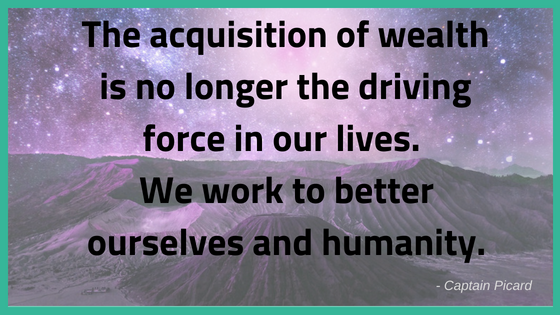
Something that always seemed to make sense to me was the fact that, in the 24th century, no one used money. Captain Picard explains this in the film First Contact by saying, “The acquisition of wealth is no longer the driving force in our lives. We work to better ourselves and humanity.”

Star Trek and Spinsters | The American Spinster

Though the show’s creator, Gene Roddenberry, didn’t write this line, it sums up his beliefs pretty well. In his future, humans had continued to evolve socially and morally. We no longer gave into our baser, beast-like urges. Our social development had instead caught up with our biological evolution and our technological advancement. He believed we would outgrow our old customs that had served our ancestors, and create a world where “there will be no hunger, there will be no greed, and all the children will know how to read.”

Spinsters and Star Trek

It’s a lovely vision, but how does it connect to the solo lifestyle? Well, it’s not that we singles have nothing better to do than sit at home alone and watch Star Trek reruns on Netflix, if that’s what you were thinking. Not that there’s anything wrong with that. It’s that the reasons women are staying single longer line up with the idyllic future Gene Roddenberry imagined.

Star Trek and Spinsters | The American Spinster

Marrying for Survival

Recently I shared an article on The American Spinster’s Facebook page about the dropping marriage rate among Chinese adults. The views expressed in the article, both by the women and their parents, are very similar to those of their American counterparts. Essentially, the interviewees said that urban women are focusing on their personal development instead of immediately diving into the baby-producing traditional lifestyles their parents had.

“It’s not that successful women don’t want to marry, it’s that making money makes us pickier,” says the successfully employed Dai Xuan.  “Before, in China, you married to survive. Now I’m living well by myself, so I have higher expectations in marriage.”

The often-scapegoated Millennials (now in or approaching our 30s) are also moving away from marriage for survival. Now that employers can’t legally discriminate against women, we can earn our own livings. We’re marrying later—if at all. And when we do marry, it’s less frequently due to financial needs than it was for previous generations of women.

Obviously that’s a broad statement which doesn’t apply to everyone. Discrimination still exists, and many women in the U.S. are still in cultural and financial situations that lead them to marry to survive. I’m not saying we’ve moved past it. But we are moving past it.

30 Days to LOVE Being Single | FREE Email Course

Focusing on Ourselves

One of the common criticisms intentionally single women face is (you guessed it) that we’re selfish. All we care about is money and partying. Our lives are examples of pure hedonism. Etc., etc.

Despite the fact that most single women living alone actually spend most of their waking hours working (living alone is expensive, after all), this view is flawed for another reason. It equates focusing on oneself with selfishness and depravity. And while prioritizing your own wants over the needs of others is often selfish, prioritizing your needs over the wants of others is not. No matter how much your mother wants her some grandbabies, your needs are still more important.

Why? Because Star Trek says so.

Unlike the classic (and deeply meaningful) scene in Rocky, where Rocky tries to explain that he and his new girlfriend Adrienne “fill gaps” in each other, in Star Trek‘s couples aren’t two broken individuals coming together to create a whole. They’re two whole people coming together to create a couple. Pairing up is never a means of salvation (at least among Federation characters) like it is in so much of 20th and 21st century media.

But in order to have two whole people to start with, you have to have a society that encourages personal growth and self improvement. Captain Picard says that in the 24th century, we work to develop ourselves. Humans just 300 years from now will live their lives with the sole purpose of reaching their fullest potential.

Staying Single

When women (and men) elect to remain single and focus on themselves, the result is not unhampered debauchery. It’s a generation of more conscious and mindful individuals.

Star Trek and Spinsters | The American Spinster

This is even true in subcultures that still see marriage as the ultimate goal. If you go to any Christian single woman’s corner of the internet, you’ll find pins, posts, and videos about becoming a stronger, more capable woman while you wait for your spouse to arrive in your life. That’s huge. The idea that the best way to spend one’s time as a single Christian woman is not to make yourself meeker and more malleable, but stronger and more capable is an incredible change (and toward the better, in my opinion).

We are moving toward Gene Roddenberry’s ideal of a future where every human being is whole and always striving to learn more; where we work every day to better ourselves. This kind of world has no room for meaningless customs that no longer serve us. It certainly has no room for institutions that exist only as a means of survival. If marriage is going to continue to exist (and Star Trek seems to think it will), it has to become a partnership between two whole people who don’t need one another’s resources, but want one another’s company.

Star Ship Captains Fly Solo, Too

It’s interesting to me how many of the main characters on Star Trek are single. Captains Kirk, Picard, Janeway, and Archer are all unmarried*. Many members of the bridge crews also remain single throughout the series. When we do see marriages among the Federation crew, such as that between Lt. O’Brien and Professor  Ishikawa, they’re never formed out of necessity or for emotional healing.

This is excepting one-episode instances, such as The Paradise Syndrome, in which Kirk loses his memory, becomes married and widowed, and never mentions it again.

If you’re single, just remember: You’re in good company. If the captains of the U.S.S. Enterprise (and Voyager), living in a Utopian future, can focus on their careers without being sad and shallow, so can you.

You’ve got one life, and there’s nothing wrong with using it to develop your own fullest potential.


If you want to find out how you can reach your full potential at work, check out 3 Ways to Rock Your Career as a Single Woman.

Star Trek and Spinsters | The American Spinster

Housewarming Gifts for Single Women

Is a young woman in your life getting ready to strike out on her own? Here’s The American Spinster’s Top 5 list of best housewarming gifts for single women.

The Bachelorette Pad Housewarming Party?

In the world of the white picket fence, young adults get married, move into their first home, and receive housewarming gifts from their friends and loved ones. But today, more and more people are going solo; that is, deciding to live alone. What do we do then?

Why isn’t moving out on one’s own treated with the same congratulations and support as is moving in with a partner? Living solo is expensive, and single women living alone could use a little financial help in the form of some thoughtful housewarming gifts.

Housewarming Gifts for Single Women | The American Spinster

When I sat down to write this article, I thought, “Psh. Single women need the same things that married couples do!” But the more I thought about it, the more I realized there are a few important things to keep in mind when buying housewarming gifts for single women.

{This post is filled with items I highly recommend. That mean it contains carefully selected affiliate links. Please read my full affiliate links disclosure here.}

The Best Housewarming Gifts for Single Women

The last thing you want to do when you’re giving someone housewares is to decorate their home for them in a style they don’t like. One way to get around this is to take your solo woman to Pier 1 Imports, Rooms To Go or some store like that. Pay attention to what she seems to like. Of course, if you can, the best thing is to simply ask what they want. But if that’s not possible, try the following.

1. Security Bar

I’ve used this exact bar every day for the last 7 years, and I can’t recommend it enough.

Housewarming Gifts for Single Women | The American Spinster

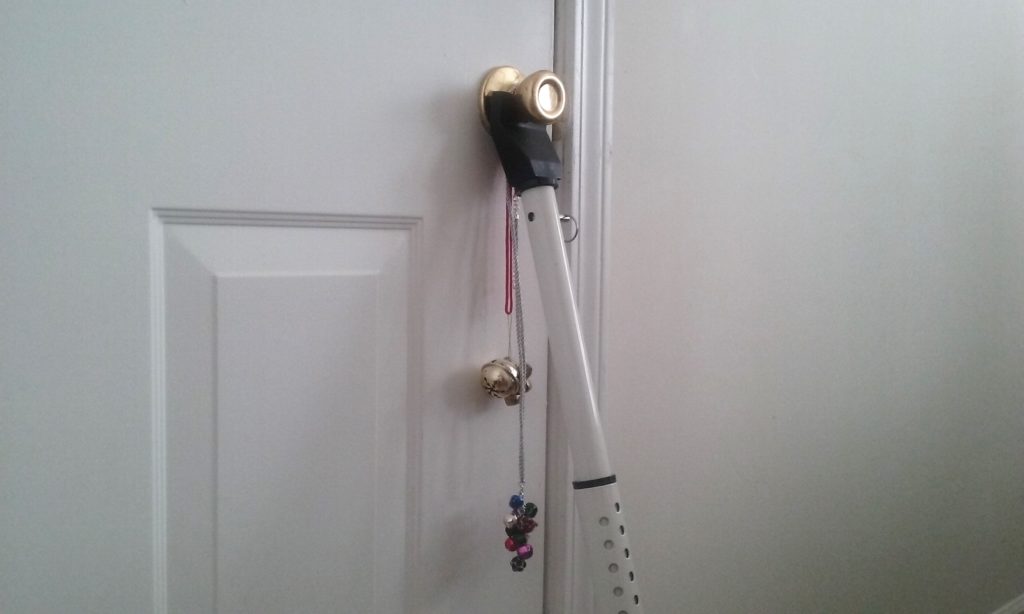
After a maintenance worker let himself into my apartment while I was sitting at my computer in my robe, my dad bought me this Master Lock Security Bar. Even when someone has a key, this bar keeps the door securely in place.
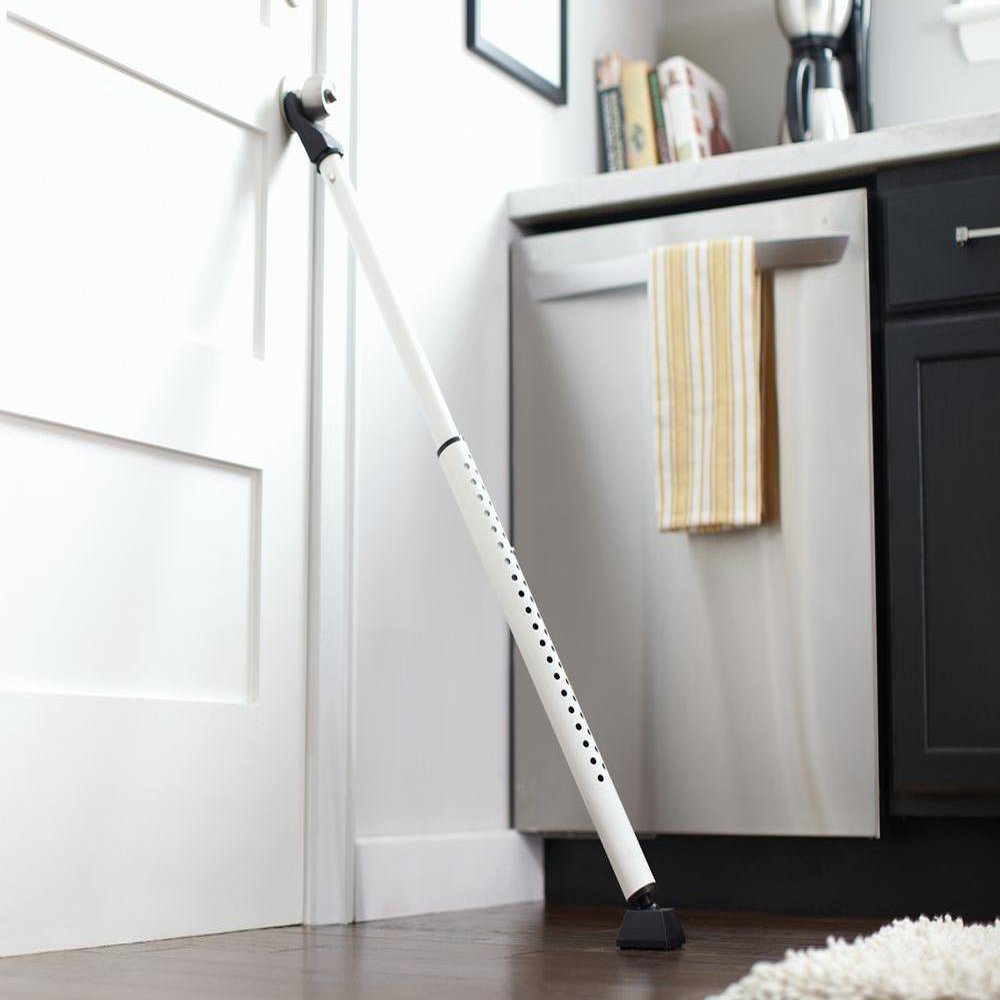
This is great for anyone, but especially people living in a rental, or anywhere where someone else has a key. If you’re worried about your solo woman living on her own, give her this security bar.

Housewarming Gifts for Single Women | The American Spinster

Master Lock Security Bar, Adjustable Door Security Bar – $16

2. Cookware Set

Even if your solo friend or family member doesn’t really cook, she’ll still need a few pots and pans.

Housewarming Gifts for Single Women | The American Spinster

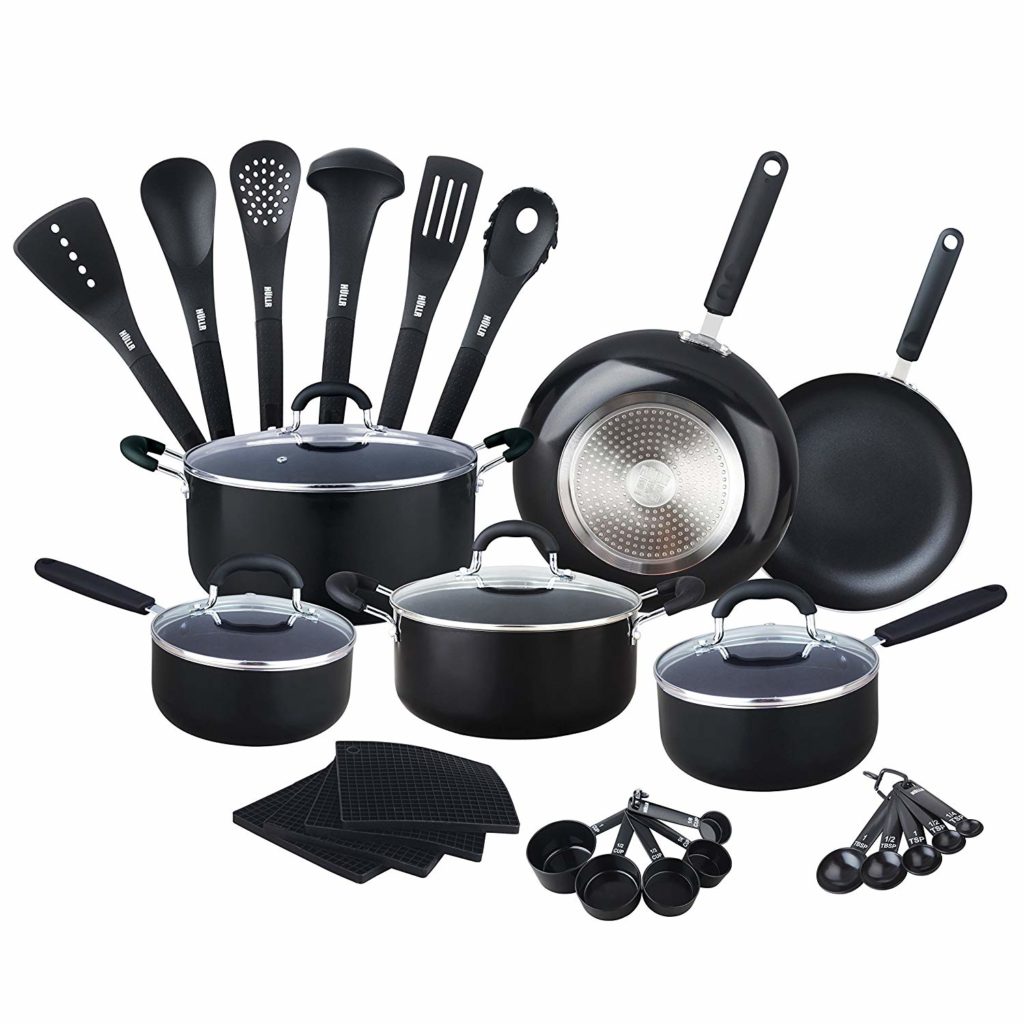
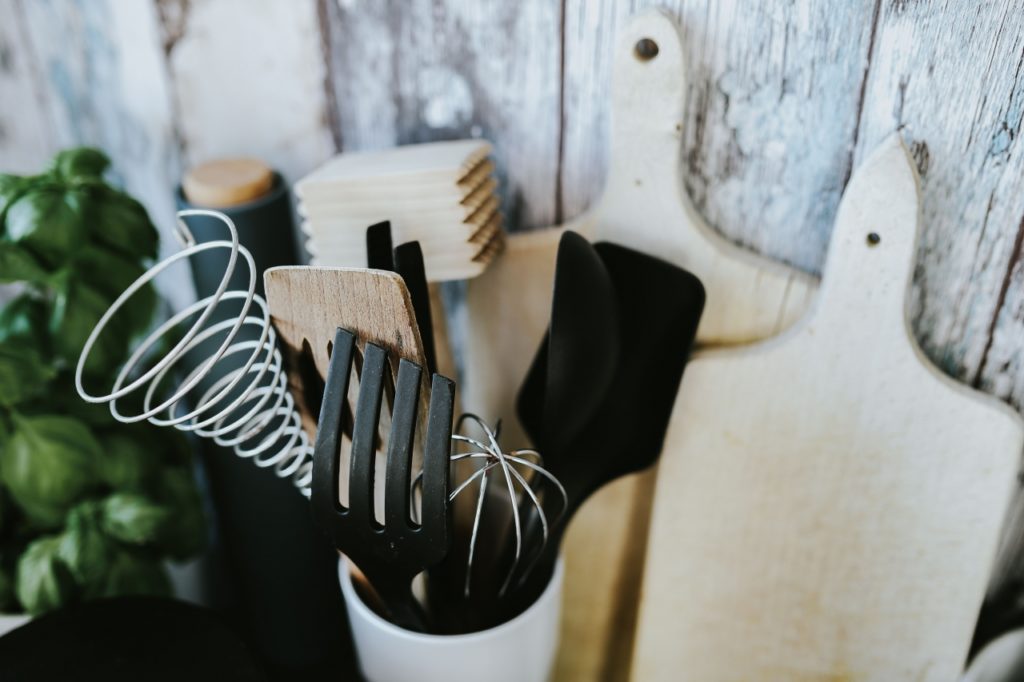
I don’t own this particular set from HÜLLR, but the one I have is very similar. It has two saucepans, two pots, two frying pans, plus measuring cups, pot holders, and all the basic cooking utensils. It’s also a pretty good deal at approximately $50.


Housewarming Gifts for Single Women | The American Spinster

HULLR Aluminum Nonstick All In One Kitchen Cookware Set – $50

3. Dining Ware

While we’re talking about cookware, we might as well look at dining ware. When I moved out, I decided I didn’t want a set of dishes. I wanted a to scrounge my dining ware from thrift stores, making sure no two plate were the same. And while this boho aesthetic can be fun, it’s also pretty inconvenient. If I’d thought about how I was going to store and use these plates and bowls—all of various sizes and shapes—I’d have picked something a bit more uniform.

Housewarming gifts for single women | The American Spinster

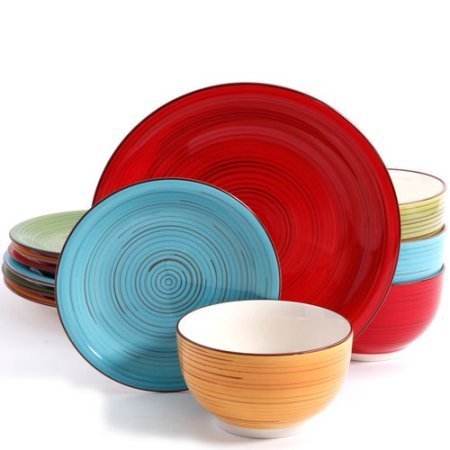
Knowing what I know now, I think this set from Better Homes and Gardens is just about perfect. I like this set because it’s not just a bland white but it’s not too stylized. It has a variety of colors in a fairly neutral design. Best of all, it’s something your single family member can easily add to later on.
Housewarming Gifts for Single Women | The American Spinster

Better Homes and Gardens Festival 12-Piece Dinnerware Set – $40

4. Flatware

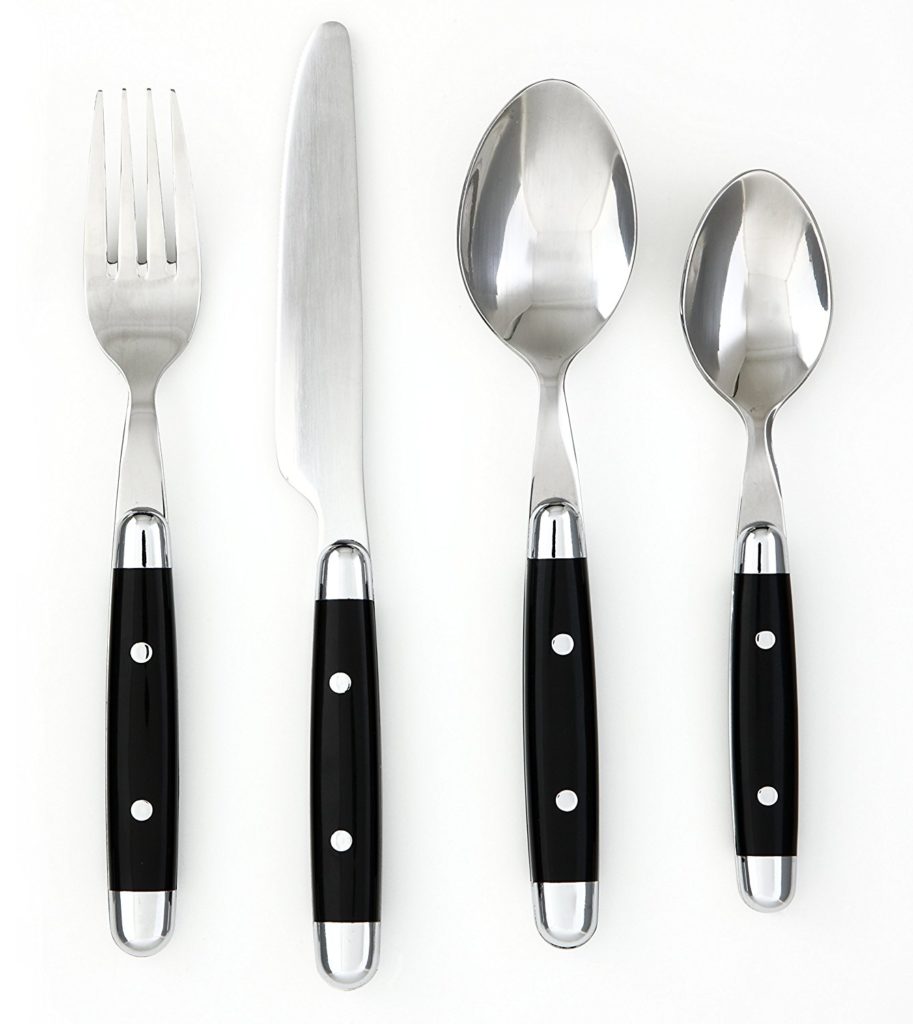
And, of course, if she’s got something to cook with and eat on, she needs something to eat with. I love this economical flatware set because it’s neutral without being bland, and these utensils from Cambridge Silversmiths are pretty dang hardy.

Housewarming Gifts for Single Women | The American Spinster

Cambridge Silversmiths Jubilee Black 16 Piece Flatware Set – $20

5. Towels

Why are people so reluctant to give towels as housewarming gifts? If your single woman friend or relative doesn’t have a lot of extra cash, she’ll probably do what I did and get the economy towels on sale at Kohl’s for $2.99 a piece. And that’s fine. But if you want to give her something nice, get a luxury towel or two.

Housewarming Gifts for Single Women | The American Spinster

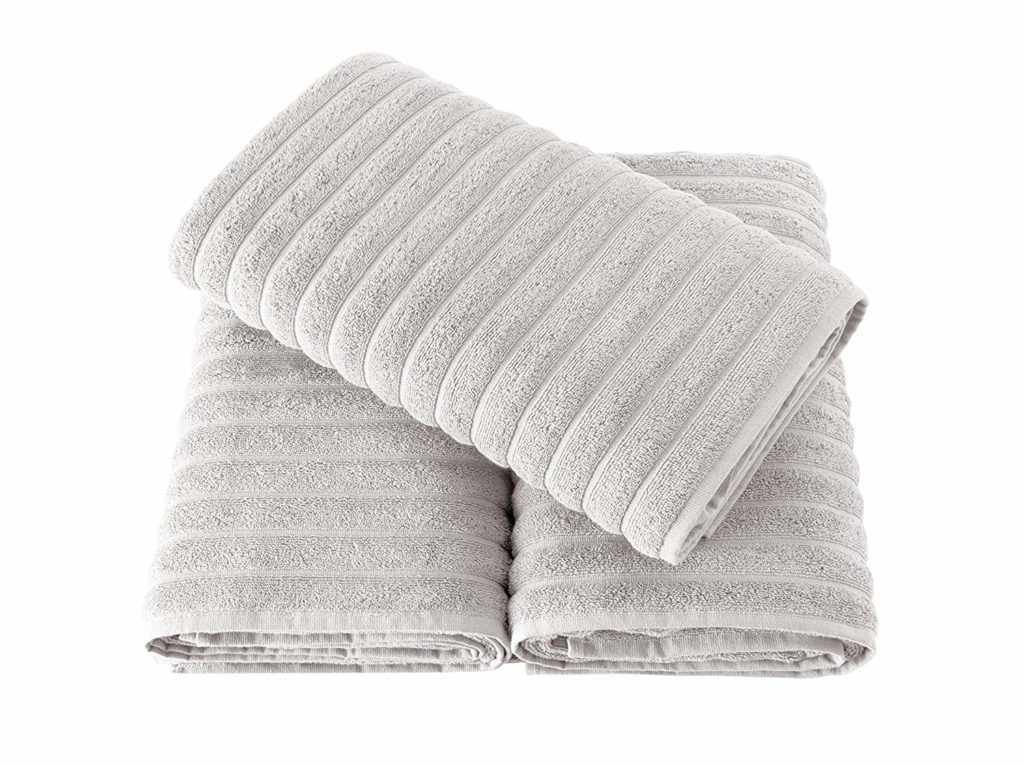
I don’t own a set of these Turkish towels, but I recently stayed with someone who did. And they are amazing. These are exactly the sort of housewarming gifts that thrifty single women won’t buy for themselves, but will absolutely love to use.

If you know what color she wants her bathroom to be, go with that. If not, get white or ivory to keep things neutral.

Housewarming Gifts for Single Women | The American Spinster

Classic Turkish Towels 3 Piece Luxury Bath Sheet Set – $60

Did you find this list helpful? What are some ideal housewarming gifts for single women living solo? Let me know in the comments below.


Housewarming Gifts for Single Women | The American Spinster

Some of these images are provided by Kaboompics. The rest are either my own or from Amazon.com.

Confessions of a Childfree Woman

Confessions of a Childfree Woman

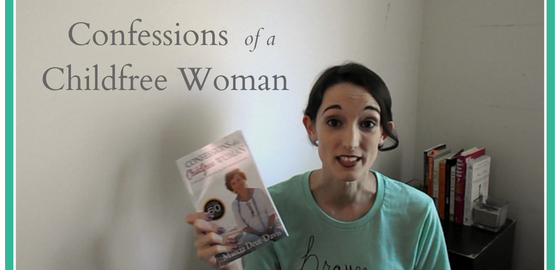
If you’re even remotely interested in the childfree lifestyle, you’ve got to read Confessions of a Childfree Woman: A life spent swimming against the mainstream. In this post, I’ll tell you:

  • Who the ‘confessor’ is
  • What the book is about
  • Why it’s important
  • Who should read it

{Psst! Because I so highly recommend this book, this post contains affiliate links. Read more about our affiliate links here.}

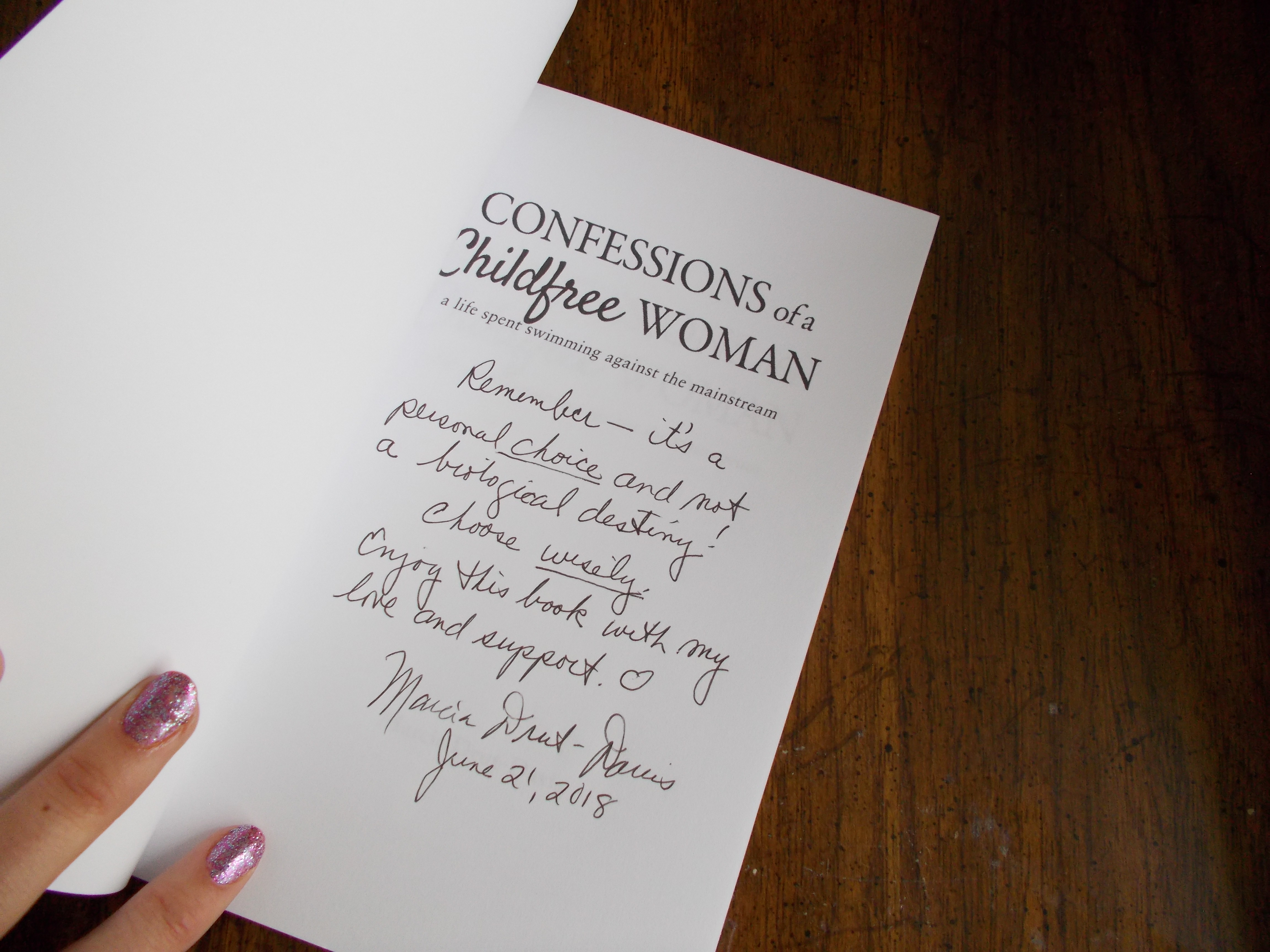
Confessions of a Childfree Woman, by Marcia Drut-Davis | The American Spinster Book Review

Keep reading to find out how you can enter to win a free, signed copy of “Confessions of a Childfree Woman.”

Who’s the Confessor?

In 1974, Marcia Drut-Davis gave an interview to 60 Minutes, discussing her choice to not have children. In spite of her calm tone and rational explanation for her choice, many viewers were outraged. She lost her job as a teacher when parents and school staff assumed (incorrectly) that a childfree woman must surely despise children.

Despite receiving death threats for her childfree stance, Drut-Davis continued to advocate for a woman’s right to choose whether or not to bear and raise children. She has been a strong and steady voice in the movement.

Want to win a free, signed copy of Confessions of a Childfree Woman? Keep reading!

What is Confessions About?

Confessions of a Childfree Woman is the deeply touching, honest, and personal story of Marcia Drut-Davis’ life as a childfree woman. She shows the reader how she came to the decision not to have children and how that decision affected her life, for better and for worse. If you’re curious about what the private lives of the childfree really look like, read Confessions.

Confessions of a Childfree Woman, by Marcia Drut-Davis | The American Spinster
Win this signed copy of “Confessions of a Childfree Woman.”
What Makes This Book Important?

Though Marcia Drut-Davis doesn’t pretend she speaks for all childfree women, her book does answer the question, “But aren’t you afraid you’ll regret being childless when you’re older?” I’ll let the book’s ending speak for itself, but Drut-Davis’ life and experiences may assuage the fears of the would-be childfree woman as well as the worried, grandchild-less parent.

Should You Read Confessions of a Childfree Woman?

If you’ve read this post this far, you’ll probably enjoy Confessions. This book is ideal for anyone who is:

  • Curious about the childfree lifestyle
  • Worried about regretting the choice to be childfree
  • Looking for a childfree role model

Want some really great news? From July 20 until July 31, you can enter to win a free, signed copy of Confessions of a Childfree Woman. Just like or comment on the Facebook post below to enter!

https://www.facebook.com/theamericanspinster/videos/1933928420238558/


Don’t want to wait? Buy your copy now: Confessions of a Childfree Woman: A Life Spent Swimming Against the Mainstream

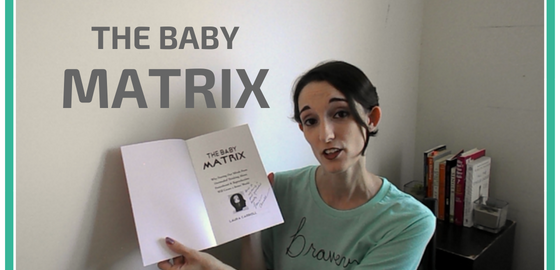
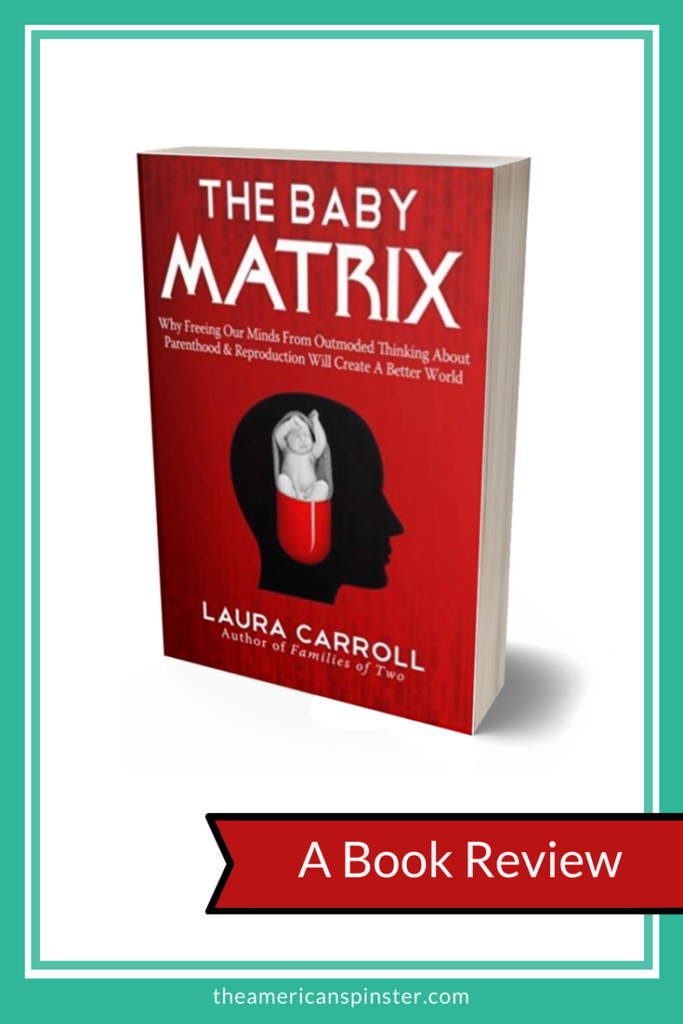
The Baby Matrix, by Laura Carroll | The American Spinster

The Baby Matrix

The Baby Matrix: Why Freeing Our Minds From Outmoded Thinking About Parenthood & Reproduction Will Create A Better World, by Laura Carroll, takes readers through a critical exploration of the way we look at childhood, parenthood, and procreation. Carroll explores the ideology of pronatalism through the framework of The Matrix film (hence the title).

https://www.youtube.com/watch?v=pitQLsWZd8A&feature=youtu.be

But like Neo’s awakening from the matrix, taking “the red pill” doesn’t just clear away the clouds of blind ideology. There’s work to be done. After deconstructing pronatalists beliefs, Carroll takes readers into a “post-pronatal” future. If we really were to strip away the ideas that a human’s right to have and raise children supersedes the rights, needs, and well-being of children and the world at large… what would happen?

My Reading of Laura Carroll’s The Baby Matrix

The Baby Matrix will likely cause a few knee-jerk reactions. I like to think I’m pretty progressive when it comes to beliefs about parenthood, child-bearing, and overpopulation. After all, I run a pro-childfree website and online community. But I have to admit, even I found myself shocked by some of Carroll’s arguments. Not because I actually disagreed, but because pro-natal notions are so deeply ingrained in me (and all of us).

I highly recommend reading this book if you’re:

  • Childfree
  • Concerned about overpopulation
  • Interested in children’s welfare
  • Curious about the childfree movement

The Baby Matrix is an intellectually and emotionally challenging read. Laura Carroll asks her readers to step outside of their comfort zone and ask themselves difficult—but vital—questions. It’s the kind of book that really pushes you to examine your deeply-held, and sometimes completely subconscious beliefs. Whether or  not you end up agreeing with the author, it’s well worth a read.

Where to Read The Baby Matrix

From July 20 until July 31, 2018, you can enter to win a free, signed copy of The Baby Matrix by liking or commenting on this Facebook post:

{Psst! The following is an affiliate link. Learn more about our affiliate links here.}

Since I highly recommend reading The Baby Matrix: Why Freeing Our Minds From Outmoded Thinking About Parenthood & Reproduction Will Create a Better World, it seems only reasonable I provide a way for you to get a copy right now. Just click the link below!

Your Thoughts on The Baby Matrix

Obviously, this is a pretty controversial topic. Some of the ideas discussed in Laura Carroll’s The Baby Matrix might even be a bit surprising within the childfree community. If you’ve read it, please share your thoughts respectfully in the comments below. What surprised you about the book? Which parts did you agree with? What do you hope others will learn by reading it? Let’s start a conversation about this important topic.

The Baby Matrix | A Childfree Book Review | The American Spinster

Going Solo: The Extraordinary Rise and Surprising Appeal of Living Alone

One of the books on my spinster book list is Going Solo: The Extraordinary Rise and Surprising Appeal of Living Alone, by Eric Klinenberg. If you’ve wondered whether or not it’s worth adding to your own library, here’s my take on it.

{Because I enjoyed and recommend this book, this post contains affiliate links. Please read my affiliate links disclosure here.}

What’s Going Solo by Eric Klinenberg About?

Going Solo is a nonfiction book that examines, as the subtitle suggests, the fact that more people are living by themselves these days than they ever did in the past. Klinenberg uses statistics and anecdotes to take a pretty deep look at the issue.

Going Sadly Single?

Overall, this is a well-balanced, well-written book about the trend toward living singly.  In my opinion, despite the largely positive introduction, the book takes a relatively neutral–if not slightly pessimistic–view on the issue.

At certain times the author seems to conflate living s solo life with living a life of severe social isolation. Klinenberg does recognize the distinction between the two in the book. Still, he devotes a lot of time to stories of people who either ‘went solo’ without really wanting to or who simply isolated themselves.

My Take-Away from Going Solo

In the end, it’s a pretty balanced book. The introduction made me think it might be more of a champion for living solo, or offer some practical steps to living alone in a healthy way, but that’s really not what this book is about. Klinenberg saw this trend and decided to explore it, and he does so very well. He doesn’t shy away from the fact that a lot of people are living alone not because they want to but because they’ve found themselves in that situation.

But he does also examine things from the pro-solo community. He also glances at the fact that in some cases the compulsion to be isolated–rather than the choice to live singly–may be the cause of much of the unhappiness about living alone.

Should You Check It Out?

I’d recommend reading this book if you’re interested in:

  • The difference between living solo and living in isolation
  • Learning more about living singly
  • The surprising trend toward solo living and what might be causing it
  • How living alone affects people and society

Even though it wasn’t quite what I expected when I picked up the book, it was well worth the read. A few of Klinenberg’s writing quirks stood out to me, but nothing that seriously distracted me from the overall message. This is by far the most comprehensive book on the topic of single living I’ve found.

Where to Buy Going Solo by Eric Klinenberg

If you’re not ready to put down the cash, support your local library by borrowing this book. If you’d rather underline, dog ear, or highlight the pages, you can order a copy through this nifty affiliate link. Going Solo: The Extraordinary Rise and Surprising Appeal of Living Alone


Please note: We are a participant in the Amazon Services LLC Associates Program, an affiliate advertising program designed to provide a means for us to earn fees by linking to Amazon.com and affiliated sites.


Have you read Going Solo? What did you think about it? Let the solo community know in the comments.

Is Single Discrimination a Thing?

Single discrimination? Do single people really think they’re being discriminated against? What’s next? Has the world gone made with this PC nonsense?? It’s okay, everyone. Let’s take a (calm and rational) look at single discrimination in the workplace.

In this post you’ll learn:

  • What single discrimination is
  • Why it matters
  • What you can do about it
What is single discrimination?

Single discrimination is a non-legal term referring to the way employers often expect single people to perform more work than their married counterparts. This seems to happen because employers assume single people have more free time, as we don’t have a ‘traditional’ home life.

In my free 30-day email course, I mention my encounter with my co-manager Janice. Janice genuinely and openly believed that single people liked working extra hours because they had “no reason to go home.” She also felt that she (a wife and mother) shouldn’t have to work as many hours because she had a family.

Janice isn’t alone. Unfortunately many employers hold similar views. Single people frequently report being told to work longer or less convenient hours than married workers. When non-married people are frequently treated less favorably than married people due to their marital status, we call it single discrimination.

Is Single Discrimination a Thing? | The American Spinster

But… don’t single people have extra time?

Employers seem to forget that single people usually still have families. And even though we don’t have spouses or children, we still have significant familial responsibilities. When it comes to caring for aging parents, the tradition still holds true: single people tend to become the primary caregivers to their parents. But employers still dump extra work on us, assuming that our families (and our free time) are less valuable.

What if you don’t have to take care of a family member?

Listen. Your free time is your free time. If your life choices have brought you to a point where your free time involves binge watching Netflix while binge drinking Coronas, that’s your business. You don’t need to convince your boss that you’re drowning in familial obligations to get your due time off.

Is Single Discrimination a Thing? | The American Spinster

But… shouldn’t single people be willing to help out married co-workers?

Look, I get the whole social responsibility thing. When I worked at a grocery store, I always volunteered to work the holidays so my married coworkers could have those days off. I rarely had to host family meals, so it seemed only fair to let those who did have the extra time to do so.

But when I did have to host a Christmas dinner for my family one year, I found out quickly that my boss and co-workers didn’t take my situation seriously. Even though I had to prepare everything myself (remember, no spouse to help out), they told me it was “sweet” that I was going to cook for my parents. They seemed to think I was going to put on my tutu and princess crown and bring my folks breakfast in bed, rather than host a full holiday meal for my extended family.

As they saw it, I didn’t have a ‘real’ family. I didn’t have kids. I didn’t have a husband and in-laws to cook for. While I may have volunteered to work for them for years, they weren’t willing to return the favor. They simply didn’t believe my family was as legitimate as theirs.

Is that really discrimination?

By definition, discrimination means treating someone unequally or unfairly due to a set of characteristics. So yes, requiring single employees to work longer, later, or at inconvenient times based on their marital status is discrimination. However, it’s not unlawful discrimination in the workplace. Marital status is not a protected group.

Is Single Discrimination a Thing? | The American Spinster

So what’s the solution to single discrimination?

First, recognize that your time is valuable, whether your boss thinks so or not. Your co workers have chosen (in most cases) to be married and have children, just as you’ve chosen to stay single. You shouldn’t have to sacrifice time doing what you wish so that they can spend more time doing what they wish.

Don’t get me wrong, you should still be considerate. If your co-worker needs to take her kid to their first day of kindergarten or take her husband in for surgery, accommodate her if you can. But if you need to help your mother move or take your cat to the vet (hey, no spouse can do it for you and you can’t let the poor thing suffer), take the time you need to do these things. And if your boss consistently expects you to cover because you ‘don’t have a family,’ feel free to say, “I’m sorry, I can’t.”

{Learn how to rock your career as a single woman}

Your time is no less valuable because you aren’t married. You are no less valuable because you aren’t married. You can be a nice person and a helpful co-worker without being a doormat.


Have you experienced single discrimination? How did it affect your career? Share your experiences in the comments below.

Is Single Discrimination a Thing? | The American Spinster

Images provided by Kaboompics