Is It Selfish to Have Kids?

One of the most common remarks on the childfree lifestyle is that it’s selfish. How is it selfish to not have a child one doesn’t want or can’t afford? Search me. Though we’ve tackled that question in the past, today I’m asking: Is it selfish to have kids?
Is It Selfish to Have Kids? | The American Spinster

It’s certainly true that some parents have children for incredibly selfish reasons. While I don’t have any large-scale statistics, I can say that when I ask a parent why they had children, nearly every single one replies with one of two answers:

  • “I just wanted to have kids.”
  • “I wanted to be a mom.”

But does that mean that it’s necessarily selfish to have kids?

When Having Kids is Definitely Selfish

First let me say that I know that people find themselves pregnant in less-than-ideal circumstances, and that the decision to have an unplanned child is deeply personal. Additionally, the decision to continue a pregnancy one didn’t anticipate isn’t quite the same as choosing to become pregnant in the first place.

Having said that, willfully deciding to have a baby when there is currently no baby or developing baby in the picture, and when one cannot provide (emotionally, financially, or physically) is going to be a selfish decision in most cases.

What are the factors the unselfish person considers when planning to conceive?

Is It Selfish to Have Kids? | The American Spinster

Financial Resources

There are a lot of strong feelings on this topic, and for good reason. Like it or not, we live in an economically unfair society, and it’s deeply unjust for anyone to say, “poor people need to not have babies they can’t afford” when one’s entire childbearing years might be spent in the low-income brackets. It may well take we Millennials a couple of decades (into our forties) to make it to the point when we can financially afford children. And why should we have to put off having children to the time where it’s no longer a biologically viable option?

That line of thinking gets uncomfortably close to the eugenics-based belief of breeding economically disadvantaged people or groups out of the gene pool. And no one, least of all me, wants that. But here’s the thing: recklessly having babies does absolutely nothing to fix this unfair system. And, not to beat a dead horse, but having children will not improve your finances.

At the end of the day, despite how very nuanced this topic is, having children you can’t afford is selfish. It’s putting your desires before the well-being of another.

Emotional Availability

This one doesn’t seem to discriminate based on one’s bank account or social class. If you have a child as the ‘default’ option in your life, rather than something you’ve weighed seriously and put conscious thought into, you’re not making the effort needed to be emotionally available to your child.

Kids take a lot of emotional strength, stability, and endurance. Enforcing boundaries and maintaining consistency requires a committed and compassionate mindset. If you have a child without doing anything to prepare yourself for that kind of emotional marathon, that’s selfish too. It’s saying that your emotional needs (feeling loved and needed by a baby) are more important that your child’s emotional needs.

Time Availability

Good parenting requires time and self-discipline in time management. Do you have the time to devote to implementing a routine? Do you have time to actually interact with and get to know your kids? Children learn, grow, and change at a much more rapid rate than most adults. This requires taking time to understand who your child is and what their point of view is. If you don’t have that, you won’t have a clue why they’re acting the way they do. And that just leads to frustration, anger, and disappointment.

Once again, if you know you won’t have the ability (or are not willing to make the sacrifices needed) to give your child the time they need, it’s selfish to have one anyway. Again, it’s putting your desires before the needs of another.

Is It Selfish to Have Kids? | The American Spinster

When Having Kids Might Be Selfish

Okay. So what if you can afford to give a child a decent life, see yourself as being emotionally available to them, and have actually put the effort into learning about being a good parent? What if you’re the type of would-be parent who has carefully considered the details of how you’ll raise your child and made a plan ahead of time with your partner? Is it selfish to have children then?

The short answer is, well, maybe.

The longer answer is that while you may not be putting your own wants above the needs of your future child, you may still be putting your own wants above the needs of others. And those are people who already exist, not a person who hasn’t yet been created.

There are two main factors to consider.

Overpopulation

There’s simply no denying the fact that we live on an overpopulated planet. Is it selfish to create a new person when millions are starving, and hundreds of millions 1  2 of children are unwanted? Well, that leads directly into the next factor…

Biological Arrogance and Exclusivity

And finally, there’s the issue of biological conceit. This conceit says, “my genes (or my partner’s genes) are so much more valuable to me than any others on the planet that I’m going to create a new person at the expense of all the parentless children throughout the globe.” It’s closely related to the belief that one’s genes are genuinely better than those of children with “issues” in foster care. And let me state this plainly: if you believe that adopting a child with “problems” is more than you’re up for, you probably aren’t up for the challenge of raising a bio kid either (see above).

Is your desire to see your partner’s features in your child really more important the the needs of an existing child? If so, it’s possible that you’re acting out of selfishness.

Is It Selfish to Have Kids? | The American Spinster

So Is It Ever NOT Selfish to Have Kids?

I don’t want to end this article with the idea that becoming a parent is innately selfish, because I truly don’t believe it is. And I don’t think that most people who have children for selfish reason do so consciously. In my experience talking to parents, the main reason that people have children for selfish reasons (and are often disappointed as a result) is that they never paused to think critically about having children before they did it.

The point of this post isn’t to bash parents or say that parents are horrible, selfish creatures. It’s to encourage everyone reading to give the decision to have children the serious consideration it deserves. If you were considering spending the next 20 years of your life in a convent, devoted entirely to serving God, and paying some $230,000 to do so, wouldn’t you give it a few weeks of serious thought first? Why, then, don’t we give the decision to have kids that same level of self-reflection?

What Does the Unselfish Parent Look Like?

Before I close, I do want to include a very thoughtful answer to the “why do you want kids” question given to me by a friend.

My family has dwindled. I want to add more members to my family; more people to share things with in my circle. I’d also like the opportunity to “pass the baton” to someone. Like, I want to see the world become a better place, and I feel like I’d be leaving “unfinished business” if I just died and didn’t have someone that I passed the “make-the-world-a-better-place-ness” on to. Keep in mind I do not require this/these added family member/s to be grown in my body, though I’m not against that.

So is it selfish to have kids? No, not necessarily. Can it be? Yes, definitely. As is the case with most acts, it’s one’s intentions, forethought, and preparation that determine whether something is greedy or giving in nature. So decide what’s best for you, but please, consider these things before making that life-changing, and (in the case of bio babies) life-creating decision.

Get the FREE ebook, "How to Have a Meaningful Life without Kids"


When Parenthood Means Passing The Buck

People have kids for many different reasons. Some of them are good reasons. But sometimes, having children is simply an excuse to forward the bill to the next generation.

We glorify the noble father who sets asides his dreams to work hard and raise his kids. We idolize the woman who first proves her worth by going to college and landing a high-paying job, then chooses to give it up to have kids. And if having kids is one’s true dream, sure. That’s fine. But giving up on your actual dreams to have kids instead is just passing the buck.

Here’s what I mean.

Why Live for Yourself When You Can Live Vicariously?

So often I see new mothers mapping out their children’s lives with the sole intention of giving their child the life they want. And I always want to say, “Why don’t you just give yourself that life? Why create a new human in an overpopulated world when you can love the you who already exists?” Putting your wishes and dreams onto someone else doesn’t help anyone, especially not the kids who never signed up for that. You might as well say, “Forgo your dreams and live mine because I opted not to live them myself. You can just pass your own dreams on to your children anyway.”

But then there’s the other way of passing the buck to future generations…

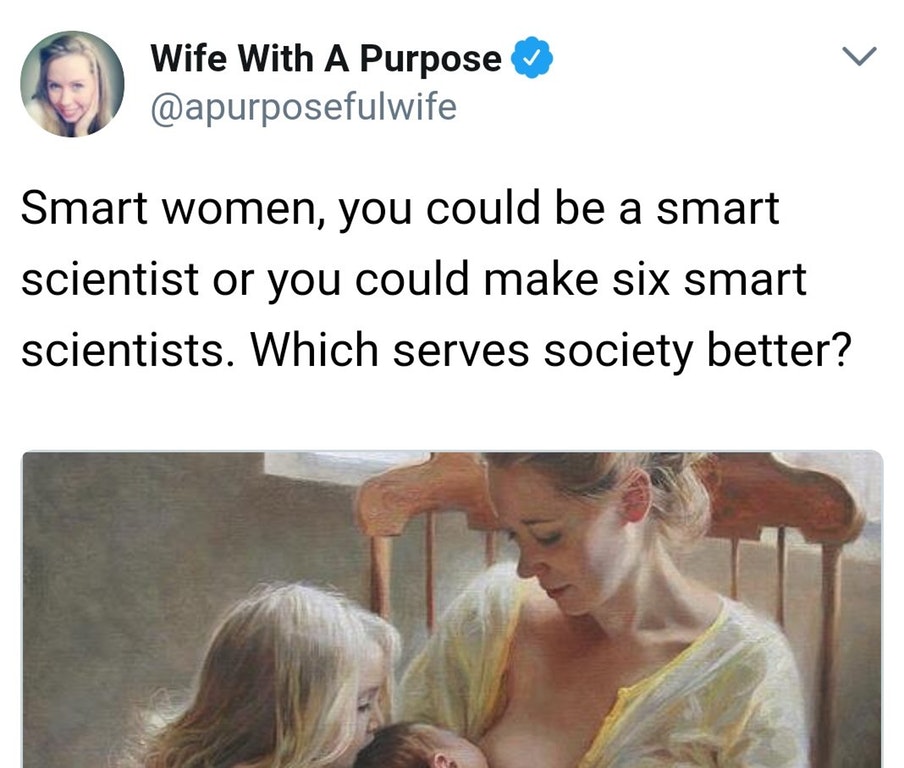
"Smart women, you could be a smart scientist or you could make six smart scientists. Which serves society better?"
“Smart women, you could be a smart scientist or you could make six smart scientists. Which serves society better?”

Where to begin? For right now, let’s set aside the idea that children are people rather than modeling clay. I want to instead look at the notion presented in this text that essentially says a “smart” woman can contribute more to society by creating more people than she can by fulfilling a socially vital role.

And okay, I can see where you could maybe make that argument if you believe that molding children with precision is possible (and healthy). But there are still a couple of glaring and inexcusable problems. These are:

  • The world has more than enough potential scientists.
  • Women are capable of contributing as they are.

Let’s look at that further, shall we?

When Parenthood Means Passing The Buck | The American Spinster

The Pro-Natal Mindset

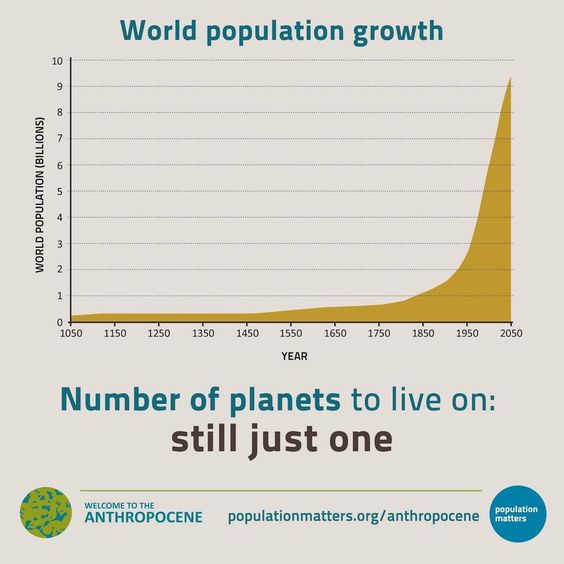
The United States is a very pro-natal nation. That is, we are all about producing some babies. Clearly, before the agricultural and (especially) industrial revolutions, humans needed to reproduce often and successfully to sustain the species. But despite the fact that we’ve kind of got that covered, some nations fear that localized under-population will result in their demise. Even on a planet bursting with 7.6 billion people (there were only 1 billion in 1800), a slight decline in birth rates has some people worried.

The Reality of Pro-Natalism in the Modern World

Basically, we’re stuck in the evolutionary mindset that says, “Making babies is your most important job!” despite the fact that what humans should really be concerned about is killing ourselves off with overpopulation. But fears of ‘underpopulation’ are often stoked by groups concerned that failing to sustain this endless growth will lead to uncomfortable societal changes in our near future.

populationmatters.org

Nonetheless, “making six smart scientists” is not what the planet needs right now. We have seven and a half billion people – I’m pretty sure we can glean more than six smart scientists from that number. The idea that one’s own genes (or race, intellect, values, religion, etc) are somehow so valuable that no one else in 7.6 billion people could make an equally smart scientist is ego-centricism bordering on total narcissism.

As to the argument that educated people should be the ones reproducing (because they’ll raise educated children), the amazing thing about education is that it can be shared with anyone. Including people who already exist. As Alexandra Paul points out, we smart, first world women are exactly the type of people who should reproduce far less than we do.

Is Producing Children Really the Height of A Woman’s Usefulness?

The other major problem with the “make six scientists” idea is the notion that woman can best contribute to society by making babies. Let’s be honest. Women can contribute more as individuals than they can as incubators and mothers. (Please note that I didn’t say every childfree woman does contribute more, or that no mother can contribute as much as a childfree woman.) One smart scientist can train literally hundreds (if not thousands) of other smart scientists. And she can do so without creating six new consumers in an over-populated world.

One Last Thing

And, of course, there’s one last problem with the rhetorical question posed in the “six scientists” image. And that is that if each generation continues to follow this flawed line of thinking (“I can be more useful making future scientists than I can be as a scientist myself”), no one will ever become a scientist. Your future scientists will use the same excuse themselves, and pass it on to their children after them.

So how about we come together as a generation and simply say:

“The buck stops here.”


When Parenthood Means Passing The Buck | The American Spinster


If you’d like to receive more helpful resources for your single & childfree life, join the American Spinster mailing list:


Why Having Kids Is Not A Retirement Plan

One of the most common questions I get when people learn I’m childfree is, “Who’s going to take care of you when you’re older?” The presumption is that by having children, one is guaranteed to have an end-of-life caregiver.

The problem is, it rarely works out that way. So not only is having kids for such a self-serving reason selfish, it’s also downright irresponsible.

Here are the reasons that having kids is NOT a retirement  plan.

1. You Don’t Need Kids to Have Happy Golden Years

Earlier this year, one of my company’s clients became terminally ill. She was a single woman with no children. As her illness progressed I would regularly hear my co-workers say things like, “I feel so bad for Ann. She never had any kids… no one to take care of her now.” To me, this was a perfect example of the confirmation bias people have when viewing childfree women. Because Ann actually had a truly devoted friend and caretaker who saw her through everything. Her friend was a younger woman who was in no way related to her and in no way obligated to take care of her during her illness. And yet she managed all of Ann’s finances and the details of her life for no payment. They were friends, and that’s what friends do.

It always make me wonder how unlovable people think they are to believe that they must bind someone to care for them through filial obligation.

2. Having Kids Is No Guarantee of Care

I can say for a fact that Ann was cared for much better than many elderly mothers I’ve come into contact with during my career. If you’ve ever known an older parent, you know what I’m talking about. Poor old mom sits lonely in a nursing home while her children have the nerve to mind their own lives and care for their own young children. Or worse, she’s abused or abandoned.

Having Kids Is Not A Retirement Plan

3. Kids Are Not Responsible End-of-Life Planning

The final major flaw with this line of thinking is that, frankly, it’s a bit irresponsible. There’s no reason most adults should depend on their kids to give them money, comfort, or companionship.

Because here’s the thing: kids grow up to be humans. (Okay, they’re always humans, but most of us don’t see them as actual individuals until they age-out of childhood.)

Having children so you don’t have to make provisions for your own future is lazy and selfish. And probably one of the reasons your grown kids (if you have them) will come to resent you.

What You Should Do Instead

If you don’t have children, consider not having them. Take a portion of the fortune you’d spend on raising a child and invest it in your future.  I mean literally invest it. Like through a bank or an investment company. Instead of relying on someone else, rely on yourself! Make all of your own decisions, including the kind of allowance you’ll give yourself in your retirement or possible illness.

Instead of creating children and then planning to be a financial burden to them later in life, just create your own financial freedom. As to having another person by your side to help you navigate those waters when they arise, come on. You are not such an unlovable person that you need to resort to guilt-tripping a child to avoid end-of-life neglect. People end up alone when their kids abandon them because they invested everything (emotional and financial) into one person who never agreed that they owed them anything.

Having Kids Is Not A Retirement Plan

If you don’t want to end up alone, be kind and have friends. If you don’t want to end up broke, start planning your retirement and end-of-life finances now.

Whatever you do, don’t plan to be a financial and emotional burden to someone who never signed up for that.


Why Having Kids Is Not A Retirement Plan


Want to receive FREE resources for living your best single, childfree life? Sign up for our mailing list today!


Top 10 Reasons NOT to Have a Baby

Should you stay childfree?

One of the major purposes of The American Spinster blog is to encourage women to start thinking more critically about why they want to have that traditional life of marriage and children. Far too many people in the US have children because they’ve been raised to believe it’s a natural milestone. Like turning 21, moving out, or getting gray hair. Parenthood is something that’s simply… assumed.

But it’s clear that not everyone is cut out to be a parent. And even those who would make good parents someday may still need to wait until the appropriate time. So here’s a list of the top 10 reasons you should not have a baby right now.

10. You’ve only recently gotten ‘baby fever.’

This is a life-changing decision that really needs to sit with you for a while before you commit to it. Chances are that waiting a year won’t affect your fertility, and will allow you to make all of the changes in your life that such a transformative decision requires. If it’s something you truly want, you’ll still want it in a year. If it’s a strong but passing impulse, you won’t have created another human on a fleeting urge.

Top 10 Reasons Not to Have a Baby

9. You don’t have an innate desire to have a child, but you’re 34 and time’s a-wasting.

Being a parent isn’t just a full-time job, it’s a vocation. You need to be called to become the caretaker of another human being, every hour of every day of the next 18+ years. Do not have a child because you’ve internalized the idea that it’s just the next natural step in your life.

8. You haven’t thought past the baby stage.

Like a puppy or a baby bunny, it’s going to grow up – over the next couple of decades. Unless you’re just as passionate about having a 12 year old, a 14 year old, a 16 year old, and a 23 year old, you should probably consider getting your baby fix by babysitting or working at a daycare.

7. You get bored with your pets after a few months, or resent pets that require significant attention.

Don’t expect this to be different with a human. If you really want to have a child, but you know you dislike being a caretaker, pause. Before committing to motherhood, take the time to learn how to truly love caring for someone else at any time of the day or night. If you get to the point when you’re not angry about being woken in the middle of the night by a sick, elderly dog, go for it.

Top 10 Reasons Not to Have a Baby

6. You like being in control of your life.

I’m not making a joke, here. Having a child means sacrificing your own wants (even the little tiny ones) for the wants and needs of another, all the time, for at least 18 years. And not just occasionally or in a way that makes you look like a stylish, martyr mom – but consistently, and in ways no one will ever know about. Think very seriously about everything you enjoy right now and how willing you are to give them up when you have a baby.

5. You can’t afford to provide basic life essentials for your baby.

I’m not talking about private school, ballet lessons, or a pony. Do you or you and your partner earn enough to provide adequate food, clothing, and shelter for another person? I often hear, “That’s not a good reason not to have a child. You shouldn’t have to deny yourself because of finances.” It’s true that in a perfect world anyone could have a baby regardless of how much money they have. But that’s not the case in the world we live in. It is not loving to create a child that you can’t provide for. It’s straight-up selfish.

4. You don’t like kids, but you’re sure it’ll be different when they’re your own.

It won’t. If you don’t like kids, don’t devote the next two or more decades of your life to them. Click here to read about what it’s like to dislike your own child, and here to learn why some mothers don’t like their kids.

3. You’re worried about being alone in your old age.

Listen, for the $245,000.00 that it’ll cost you to raise that child to the age of 18 (we’re not including college here), you could hire the very best, most loving and compassionate caretaker in the entire world. Why spend a ridiculous amount of money raising a child in the hope that it’ll be able to spare you a monthly pittance in your final years? Save half of the money that you would spend raising a child, and you’ll be set for life.

Top 10 Reasons NOT to Have a Baby

And if you believe that the only way you can guarantee that you won’t be lonely when you get older is to bind another human to you through filial obligation, work on some self love. I’m being 100% sincere; you are not so unlovable that you have any legitimate reason to fear that you’ll end up alone if you don’t have a child.

2. You’re in a bad relationship.

Please, never have a baby to ‘save’ a relationship. Aside from being totally ineffective, this is truly one of the most self-centered and unloving reasons to have a baby. And if you aren’t in a place where you are physically and emotionally safe, do not bring a baby into that situation.

(If you are in an abusive relationship, please visit this website for help.)

1. If you’re honest with yourself, you’re really not over your own childhood.

Like everything on this list, this doesn’t apply to everyone. There are people who endured horrific abuse as children who have gone on to be truly wonderful parents. But if you aren’t sure that you won’t pass on the same bad treatment you received to your children, wait.

Work through your past. Find a good counselor you feel comfortable with. Find a support group of others who had similar childhood experiences. People pass on abuse to their children simply because they haven’t learned healthy ways to interact, and haven’t worked through their own past (which will come up again and again and again when you’re raising a kid).

A good rule of thumb is this: if you catch yourself talking to a pet (or yourself) they way an abuser talked to you, you’re not ready yet. That doesn’t mean you never will be, but now is not the time.


What brought you here today? Have you been on the fence about having kids, or were you looking for some reassurance that you’re making the right choice by staying childfree? Let me know in the comments below.


If you’d like to receive more helpful resources for your single & childfree life, join the American Spinster mailing list:


Top 10 Reasons NOT to Have a Baby

How to Tell Your Parents You’re Childfree (without breaking their hearts)

So you know you’re going to stay childfree… but how to tell your parents?

Just as it’s assumed that women will have babies, it’s also assumed that parents will become grandparents. How many times in TV, movies, and day-to-day life have you heard the parent of an adult say, “I want grandbabies”? But as you know by this point, you do not owe anyone a baby.

Still, there’s the problem of disappointing your (well-meaning) parents. If you’re concerned with how you can tell your parents that you’re never having kids—without breaking their hearts and dashing their dreams—you’re in luck.

{Psst – Want some free workbook pages to help you through this process? Keep reading!}

Step 1: Preparation

1. First you need to understand and be able to explain your reasons for being childfree.
How to tell your parents you're childfree (without breaking their hearts)
Start by making a list.

I suggest jotting down a list of all your main reasons for your decision. For example:

This list is for you, so don’t worry about how it might sound to your parents. That’s the next step…

2. Rewrite the above list for your parents’ ears.

You know your parents, so you probably already have a good idea of what their objections will be. Go back over your reasons and add in their most likely objections.

  • “Who feels called to be a parent? It’s everyone’s job to have kids.”

  • “That’s crazy. You could raise 3 good people – how does that not help the world?”

  • “You’d be a great parent, what are you talking about?”

  • “You’ll love them when they’re you’re own.”

  • “Stop listening to Margaret Cho.”

3. Now revise your list so your parents will be able to understand your reasons better.
  • I think parenting should be a vocation, and I don’t feel called to it.

  • I know I can do a lot of good in the world without creating another person.

  • I know I could probably be a decent parent if I really worked at it, but that’s not where my strengths are.

  • I don’t like kids, and it’s really not different when they’re your own.

  • I would be the same kind of terrible mother as Margaret Cho.

Remember that your parents may need a bit of time to adjust. So if they had their hearts set on granbabies, no matter how well you phrase it they might still take the news pretty hard.

Step 2: Getting them to like the idea.

I promise it’s possible to get your parents to not just accept, but actually like that you’re childfree. But there is a process. First, allow your folks to go through the stages of grief.

How to tell your parents you're childfree (without breaking their hearts)
Allow your folks time to feel sad.

1. Denial: They insist you’ll change your mind.

2. Anger: “After all we did for her!”

3. Bargaining: They try to convince themselves you’ll change your mind.

4. Depression: They grow despondent whenever the topic comes up.

5. Acceptance: They accept that they will have to be sad old people with no grandkids ever because their child is cold-hearted and selfish.

Once this has been accomplished, you can help them feel okay with your decision. You can even help them see its benefits and feel glad about it.

How? By understanding why they want grandchildren, and helping to meet their needs.

Alternative Ways to Meet Your Parents’ Desires

Parents tend to want grandkids for 3 main reasons:

  • to return to child care giving (remember they’ve spent most or all of their adult lives being a parent and change is uncomfortable)

  • to see the family line continue

  • to play with, fawn over, and brag about a young ‘un

The good news is there are other ways to meet the emotional needs contained in these wants.

Child Care Giving

Help your parents adjust to being parents of a grown woman instead of a child. (This one is fairly easy and can be very rewarding for you.) When you grew up, our society told your parents that your role was to give them new kids and that their role was to be like parents again, but without the responsibilities of an actual parent. It would be their reward for parenting.

But you know what can be equally (and probably more) rewarding? Allowing their relationship with their grown child (you) to continue to evolve, and learning how to have a happy life outside of care giving. There are a couple of good ways to do this.

  • Get your parents involved in your passions.

Help your parents understand what you do, and allow them to stay involved in your life. Talk to them about your career, your hobbies, and anything else that makes your childfree life amazing. Not only will this give them the opportunity to connect with you as an adult, it will give them something to brag about to their friends.

  • Help them discover their own passions.

Your parents could be having the same kind of awe-inspiring childfree (or… post-child?) life in their golden years that you’re having now. Ask them about what sparks their passion and encourage them to take up a hobby or volunteer job that lets them experience that. And be sure to stay involved, letting them share their enthusiasm for their new footloose and fancy-free life.

{Don’t worry if this seems like a lot to remember during the Big Talk; that’s what worksheets are for…}

Continuing The Family Line

Though I’ve been unable to find any significant studies on this, when talking with individuals I’ve found that the feeling of seeing the family name live on doesn’t necessarily have to involve creating a new human. As we age, we want to know that our name and memory will live on, and our society tells us the best/only way to do this is to have kids. But it’s not.

How to tell your parents you're childfree (without breaking their hearts)
Show them you aren’t chopping down the family tree.

If you have your own business or brand, make your parents aware of the affect it’s having on people. Help them to see that even though you haven’t popped out a kid, you have created something that has real value.

Also, encourage them to write that book of memoirs they’ve always wanted to, or to build something (physical, digital, or emotional) that will live on after they’ve gone.

Playing with and bragging on a young ‘un

While there is absolutely no shortage of new babies or children to fawn over, if you’ve spent any time at all around grandparent hopefuls, you’ll have noticed that any period of ooing and ahhing over someone else’s baby is typically followed by, “I want a grandbaby!” Humans seem to have a real desire for a sense of ownership or relationship to a baby or child. Hopefully what we’ve already talked about will help inspire your parents to live a fulfilling life without (grand) kids, but sometimes that desire is particularly deep-rooted.

So if you parents really and truly don’t seem like they’ll be happy without being able to care about a child that they have a connection to, try getting them to join a mentoring organization like Big Brothers Big Sisters. If they do, they’ll be assigned a “Little” that they can take on day trips, buy gifts for, and brag about to their friends. The best part is that the Littles are children in need of a good role model in their lives. Most Littles are from single parent homes, lack a strong support system, or have parents who are unable to give them the attention and education they need. Your parents will be happy to have a child in their life that they can help, and their Little will benefit from their loving kindness.

To Sum It All Up

So in conclusion, remember that your parents have been just as brainwashed by our current culture as anyone else. Movies, TV, and our culture at large have told them that they need grandkids to be happy, so it’s now your job to help them see past that. The Buddha once stated that there is no act of kindness and compassion on earth great enough to repay your parents’ love, except bringing them to enlightenment. Therefore, consider the challenge of explaining why you’re childfree as your chance to help your parents live their best lives too.


Want some extra help preparing for this discussion with your parents? We’ve create three handy workbook pages to guide you through the process!

How to tell your parents you're childfree - workbook pages


How do your parents feel about your decision not to have children? Did this guide help? Let me know in the comments below!


How to Tell Your Parents You're Childfree (without breaking their hearts)

Top 5 Answers to “Why Don’t You Have Kids?”

5 Answers to the Question “Why Don’t You Have Kids?”

If you’re over 25 and don’t have kids, you’ve probably heard this question before. And you’ll probably hear it again at regular intervals for the next 20 years. It can be difficult to answer such a personal (and often rude) question, so here are 5 excellent ways to reply.

5. I don’t like kids.

This should be a very reasonable answer. After all, why would you commit to caring for something for the next two decades if you don’t enjoy its company? And yet, this is probably the least helpful answer you can give someone. The two most common responses are, “What do you mean? How can you not like kids?” and “You’d like them if they were your own.”

That’s a big assumption to gamble 18 years and $300,000 on, but let’s move on.

4. I want to focus on my career right now.

Already a contributing member of society, thank you.

Another honest, but generally unsatisfactory answer. Despite the advancements of feminism, it’s still considered selfish by many for a woman to choose a career over a (non-existent, hypothetical) child. Despite all logic to the contrary, it’s seen as better for a woman to give up on her aspirations, conceive and birth children she didn’t want, and try to raise them without resentment than it is to continue contributing to society in a way that she already enjoys.

Get the FREE ebook!

3. My husband/boyfriend/partner and I decided not to.

This is a tricky one, because it avoids the question directly. It’s also kind of a cheat, because it shifts some of the responsibility onto your partner. I’ve found that the people who ask this question tend to realize this, and hone in on the partner, blaming him/her for not allowing you to have kids. At this point, you can either argue that it was a mutual decision (they’ll likely go away believing that you deeply desire children anyway), or just let it go and move on with your day.

2. I can’t have children.

This is a controversial answer, assuming it isn’t true. Some people will say that, with so many women and couples struggling to conceive, using this as an excuse is callous. On the other hand, it’s the only answer I’ve found that seems to satisfy the busybodies.

And the number one answer for not wanting kids?

1. Because I don’t want kids.

It’s really as simple as that. Raising children isn’t a hobby. A child (though this may come as a surprise to many mothers) is an actual, individual human being, with its own wants, desires, and personality. Being a responsible parent means devoting the better part of the next 18 years to being a caretaker for that person.

But, ultimately…

The underlying problem with this question is that it’s not being asked by someone who’s curious about your reasoning. When someone says, “Why don’t you have kids?” they’re often really saying, “You should want kids. Now give me some explanation as to what’s wrong with you.”

Even so, when someone does ask, answer. Let them know that you don’t have kids because you take the matter very seriously, and have come to a well thought out conclusion, which is more than many parents have ever done.


Have you used any of these answers? How did they work for you? Let us know in the comment section below.

Top 5 Answers to "Why Don't You Have Kids?"


Want to read more great tips for childfree women? Sign up for The American Spinster’s mailing list:


Save

Focus on the Endgame – How to Have a Meaningful Life without Kids

How childfree women can have a meaningful life without kids by focusing on the "endgame"” alt=”Top 10 Things Every Single Woman Should Do” width=”735″ height=”1102″ />


How to have a meaningful life without kids – Part 5/5 – Keep Your Focus on the Endgame.

Or, Don’t get too sidetracked by the mini-quests.

Do you ever play a video game, and get so wrapped up in a side quest that you lose sight of your main goal? You hunt around for a magical object that will open the gate to the new location, then gather information from the NPCs to track down the weapon, which you can then take back to the new location and finally defeat the latest boss, completing your side quest.

Obviously in a game, as soon as you finally finish all that, you can get back to the main goal. But in real life, some people either completely forget about the main quest, or they never knew about it in the first place. So when they finally finish the mini-quest, they’re left with… nothing. Just some useless sword that doesn’t seem to be good for anything.

Well, I finished the quest. Now what?
The Problem with Mini-Quests

This is the disillusionment that falls over people who were focused on real life’s mini-quests. The mothers who had children because they thought it would make them happy; the success-driven business men and women who believed that once there was enough money they could relax; and the single, childfree people who pursued pure, momentary gratification believing that self-indulgence was the goal in life.

Dissatisfaction and disappointment don’t come from choosing a certain career or lifestyle. They come from putting one’s faith and hope for happiness in something outside of oneself. For example…

Building Wealth

The problem with making financial security your life’s goal isn’t that money is bad. It’s that money is just a means to an end. When you focus on the means and lose sight of the end, your goals will shift. Because of that, when you finally do attain those new goals, you won’t be where you planned. Even Jen Sincero, money-loving author of You Are A Badass at Making Money: Master the Mindset of Wealth stresses that the manifestation of money in your life is a direct result of your badassery. She states that creating the truest, most successful version of yourself is the goal, and money is the means to that end.

"I'm just not feeling the spark anymore, Mr. Bank."
“Where did all our passion go, Mr. Bank?”
Raising Children

The problem with making children your goal is that children are actual people. They are their own individual selves, not tools for your comfort. Being a parent and watching your children grow can be an immense source of comfort, but if your goal in life is to ‘be a mom,’ you’ll either be disillusioned by the reality of parenthood, or you’ll be disappointed when your kids grow up.

Being the Ideal Partner

If you’re in a relationship, of course you should try to be the best partner that you can be. But not at the exclusion of all else. How many times have you seen a woman who devoted herself to her man, raising his children, managing his life, etc., but at the end of 20+ years she was dumped and on her own? No employable skills, no knowledge of how to make her own way.

The lesson from this isn’t “never trust a man,” it’s “never cheat yourself.” As with the previous two examples, the problem arises when the focus of your life is something outside of yourself.

TL;DR:

Gaining money, raising kids, and being the ideal partner are noble secondary goals (cool side quests). But none of them should be your all-time goal (they’re not what’s going to win the game).

So What Should My Main Quest Be?

To lead a meaningful life, your underlying focus and goal in all things must be to improve yourself. And when I say “improve,” that’s not to imply that you’re in a bad place. It just means you’re in your starting place at the beginning of the game. Think of every new thing you learn or accomplish as leveling up. The classes you take, volunteer work you do, and so forth are all power ups you pick up along the way.

Do you want to have children? Good. Enjoy those experience points. Do you want to travel the world? Go ahead. You’ll find plenty of ways to increase your awareness and add to your supply of knowledge. Want to amass wealth? Awesome, fill your inventory with items that will make your journey more comfortable. Whatever you do, remember that you are the main character in the story of your life.

But Isn’t That… Wrong?

We’re taught to believe that focusing on ourselves is bad, selfish, or downright hedonistic, but it’s not. When you’ve got the controller, your avatar is the only one you can control, so your well-being must be your focus. What’s selfish is dragging other people into your life and then sacrificing their well-being for yours (and that includes having kids you don’t really want).

So go out, travel, make money, indulge, and have fun. But don’t let these things become your goals or sources of happiness, or you’ll likely find yourself alone at the end of it all.

And remember…

When one mini-quest is complete, move on to the next one. Don’t look back and tell yourself, “If I’d only made a different choice back at the last castle, I’d be happy!” The game isn’t over – you’ve just decided to stop in the middle and mourn a decision that, ultimately, wouldn’t affect the outcome in any significant way. If you get to 45 or 50 and think that you’d be happier if you’d had children, you’re wrong. Pinning your hope on someone else is never the answer. If you’d had kids, you’d just be unhappy in a different way.

Focus on the Endgame - Having a Meaningful Life without Kids

Simply enjoy that fact that you are your goal; you are your quest. Because in the end, the only person you’ll really have, right up until your last breath, is your own amazing self.


Read the rest of the Meaningful Life series here:

How childfree women can live meaningful lives by volunteering their skills to help others.How childfree women can live meaningful lives by learning and teachingHow childfree women can live meaningful lives by helping the vulnerableHow any woman can lead a meaningful life without kids


Want to receive more resources for living a happily single and childfree life? Sign up for the American Spinster email list:


Save

Save

Save

Save

Save

Save

Help the Vulnerable – A Meaningful Life without Kids

How to have a meaningful life without kids – Part 4/5 – Help the vulnerable

How can you create a meaningful life without kids? Help others.

So far in this series, we’ve looked at some specific ways you can create a meaningful life without raising children. In this article I’m going to focus on developing a mindset that will ensure you have a fulfilling life whether or not you have kids.

Helping the Vulnerable

When you set out to create your own business, find the right volunteer opportunity, or start on your career, it’s your motivations (more than your precise actions) that will lead to a fulfilling or unfulfilling life. Your specific line of work or lifestyle choices don’t matter; if your intentions are short-sighted and selfish, your life will likely end up shallow and bitter. Whereas if your intentions are genuinely to contribute to the world in a positive way, you’ll be more likely to end up feeling fulfilled.

In essence, finding meaning in life means finding meaning in something outside of yourself. This doesn’t mean becoming a martyr or neglecting your well-being. It means being truly aware of how connected we all are, and that loving your neighbor is loving yourself.

How to Have a Meaningful Life without Kids

The Human History of Helping

This idea of finding meaning by helping others is ancient. We evolved as highly social beings, in groups where helping one another was necessary for survival. However, it quickly moved beyond what was necessary. For instance, some of the earliest remains of our human ancestors show that they cared for the injured and elderly. Some cases show evidence of debilitating injuries which would require months of rest. Yet the other tribe members cared for this non-contributing member no matter how long it took them to recover.

Later on, Aristotle philosophized that one finds real friendship in loving, rather than being loved. He remarks that a mother loves her child without seeking love in return. This is the essence of having meaning in one’s life. To love, to give, and to help for the sake of those things.

Where Kids Come In

Truthfully, I think this is the reason that a lot of people have kids. How often have you heard something like, “When I had my daughter, it all came together. I realized there was so much more to life than just my life”? Or, “You don’t understand love until you start living for someone else”? And though Aristotle’s ideal of a mother’s love is a strong example, you don’t need to create a new human to devote your life to the service of others. There are plenty of people who already exist who need help right now.

Who are “the vulnerable?”

Our world is filled with people who are:

  • susceptible to injury
  • have undergone financial or emotional hardship
  • at a higher risk for misfortune

People (human and non-human) who have little to no control over their lives are also vulnerable, as their well-being depends on the will of another. These include children, animals, and people who are institutionalized (in prison, mental health facilities, or senior citizen homes). However, they can also be people living in your town who are (through economic and other factors) at higher risk for lower quality of life.

How do I help them?

When offering aid, it’s important to do so without coming across as patronizing. You should always offer assistance in a spirit of humility, drawn from the realization that if only a few things in your life had been different, you could be the one in need of help. Remember, it’s all about intention.

That being said, there are numerous ways to offer your service to those who need it.

Volunteer Your Time:
  • Animals

Animals, especially farm animals and pets, are legally property. And though we have laws in place to protect them from abuse, they are still often seen as and treated like commodities. Yet animals likely have as great a capacity to suffer as humans do. But unlike many human beings, animals cannot advocate for themselves. That’s where we come in.

How to Have a Meaningful Life without Kids

If you’re looking for a good starting point to begin to volunteer with/for animals, Animal Charity Evaluators is a great resource that examines the effectiveness of various types of charities and volunteer efforts designed to help animals.

  • Children

Childfree people don’t necessarily dislike children. In fact one of the reasons some people choose to be childfree is because they can empathize with children. It’s easy for a frustrated parent to forget the ways they felt and thought as a child, but the cool childfree aunt remembers.

Some of us choose to be childfree because we appreciate just how difficult being a good parent is, and we aren’t willing to do a poor job at it just for the ‘experience’ of becoming a mother. Others see bringing yet another a child into a world crowded with children whose needs are unmet as irresponsible.

Have a Meaningful Life without Kids - Help the Vulnerable

If you care about kids, you can do good by helping the vulnerable children who are already here. To get started, visit Great Nonprofits’ page for at-risk youth to learn about opportunities in your area: http://greatnonprofits.org/categories/view/children-and-youth

  • Elderly

Even more neglected than children are the elderly. Some underserved older adults are neglected by their grown kids. Some have no family left. Either way, this demographic is perhaps the easiest to ignore.

Create the Good has an excellent guide on volunteering to help the elderly here: http://createthegood.org/campaign/volunteeringwithseniors

Involve Your Business:

Whether you work for a large company or have your own small business, you can still involve your workplace. Charity Navigator has written an article with some great advice about giving through your workplace: http://www.charitynavigator.org/index.cfm/bay/content.view/cpid/159

If there’s a particular cause you’d like to aid, ask your workplace to consider contributing.

In The End…

You don’t need to have kids to learn to truly care about someone besides yourself. Instead of creating a mini-me to love, why not focus on people who are already here? Fostering a spirit of generosity directed toward the most vulnerable members of society is one of the best ways to create a truly meaningful life without kids.

Save

Save

Save

Learn & Teach – A Meaningful Life without Kids

How childfree women can live meaningful lives by learning and teaching

How to have a meaningful life without kids – Part 3/5 – Learn and Teach

One of the most fulfilling ways to live is to continue your education every day of your life, and pass what you know onto others. Education is what helps us grow as human beings, to continue our spiritual, mental, and emotional evolution. So if you’re wondering what the key to living a meaningful life is, this is it.

Learning

Part of being a single and/or childfree person is being able to develop yourself to your own fullest potential. Often parents set aside their own education to focus their energy on helping their children get the most out of theirs, but as a childfree person there’s no reason to stop learning. Many colleges (including prestigious universities like Harvard) offer full online courses for free. You can do that in your spare time with no financial commitment.

How to Have a Meaningful Life without Kids - Education
Community Colleges are great places to learn a new skill or continue your education.

You can also use a continuing education to improve your career. A number of the colleges and universities I mentioned above offer the option of receiving a certificate upon completion of the course (usually for a small mailing fee). Or you can simply take classes at your accredited community college. Even if a course isn’t directly related to your field, proof of a continuing education looks fantastic on your resume.

How to Have a Meaningful Life without Kids - Learn and Teach
Learn a new skill just because you can.

But learning doesn’t have to be academic. If there’s a new skill you’ve been wanting to add to your arsenal, go out and learn it. It doesn’t even need to be practical. Are you an adult who’s always wanted to learn ballet? Go find a class. The important thing is to keep your mind (and body) learning new things.

Teaching

Teaching others not only helps you solidify what you know, it’s also a rewarding experience. By sharing your knowledge with others (either by writing an eBook, a tutorial, or in a more formal situation), you can help enrich someone else’s life and, in a small way, contribute to the education level of humanity. Helping to guide someone from ignorance to enlightenment is one of the most fulfilling ways to live your life.

Take Action

If you have the time and the financial ability, take a class at the community college every semester. If not, take advantage of the hundreds of legit, free online courses from major universities.

Have a Meaningful Life without Kids - Learn and Teach
Take free online courses from accredited universities in your own time.

http://betteryourselfonline.com/free-online-courses/ This is an amazing resource listing over 1100 completely free online courses.

http://www.udemy.com Udemy is a great way to learn new skills, but it’s also a way to share them with others. Create your own course to share what you know with students from all across the world.

If you’re looking for something less formal, try creating a youtube tutorial about something you know.

Looking for something more formal and long-term? Look up local places teaching what you’re skilled in and find out what their requirements are to become an instructor. Many disciplines require some type of mandatory training or knowledge test, but don’t let this intimidate you. Get the certification you need and become an official teacher of what you love.


Next up is Part 4/5 – Help the Vulnerable

How childfree women can live meaningful lives by helping the vulnerable

Want to get inspiring, free resources for your single, childfree life delivered straight to your inbox? Sign up for the American Spinster mailing list:


Save

Save

Volunteer – A Meaningful Life Without Kids

How childfree women can live meaningful lives by volunteering their skills to help others.
Part 2/5 in the Meaningful Life series
Want a meaningful life without kids? Volunteer.

 For those looking to build a fulfilling life without kids, volunteering your time is vital. If volunteering doesn’t sound like your thing, remember that there’s more to it than soup kitchens and dog walking (both of which are incredibly helpful, by the way). Trust me when I say there’s a rewarding volunteer opportunity out there for you.

When you volunteer, you:

  • Connect to your community (local or interest-based)
  • Help to build a relationship, program, or tangible item/area
  • Take pride in your work

These three things are vital in creating any type of worthwhile life, including a life without kids.

Get the FREE ebook, "How to Have a Meaningful Life without Kids"

How I Became a Volunteering Believer

My high school experiences with volunteering were disappointing. My classmates and I would all carpool over to someplace, do a minimal amount of work (such as sealing a stack of envelopes), and then go back to school. It seemed like a highly inefficient process to me, and led me to believe that volunteering was just a way for people to feel like they were doing good without getting much accomplished.

However, when I began taking college classes, I had a completely different experience. The lab portion of a GenEd biology course took place at the local park/wildlife preserve. Our goal was to create a set of retention ponds in an area of Florida experiencing rapid expansion. The ponds would provide a new, safe ecosystem for animals. It sounded dull… but it was incredible.

How to Make a Meaningful Life Without Kids: Volunteer | The American Spinster

My class of 20 or so students visited the newly-dug retention ponds on a weekly basis: Some of the work we did included:

  • Taking water samples
  • Donning rubber coveralls to wade into the pond and plant duckweed
  • Teaching middle school students about conservation

I was tanned, sore, tired, and smelled like pond water at the end of each day. And it was amazing. Afterward, every time I drove past the park, I felt a sense of pride, because I’d actually done legit work to create those ponds.

I realize now that as a high schooler, my volunteer experiences were meant to introduce me to the idea of volunteering in a way that didn’t require my parents to sign a liability waiver. As an adult, I can now do work that has a real, positive impact on those around me.

How to Start Volunteering

So what can you do? Volunteer in your community or in front of your computer in one of these three ways.

1. Find or start a community project

Create the Good has a library of resources about starting your own volunteering efforts. You can clean a river or for something less intense and more long-term, start a community garden.

How to Have a Meaningful Life Without Kids: Volunteer | The American Spinster

2. Start your own independent volunteer project

Singer, songwriter, and activist Zoe Boekbinder (incidentally a single, childfree woman) started the Prison Music Project. The project connects prisoners to music, helping lower recidivism and improve conditions. One woman started this project. You could do just as much.

3. Do what you can, when you can

If you’d like to leave the house but not have to fill out any forms or commit to being anywhere at a certain time, you can improve your community by simply picking up litter. Get a pair of gloves, a trash bag, and go. Your community will probably never thank you for it, but you’re doing this for personal fulfillment, not praise.

You can also do small works wherever you are through resources like helpfromhome.org.

How Are You Volunteering?

There are so many ways to turn what you love into something that contributes to the community. Helping others is one way you can create meaning in your life without kids.

https://www.youtube.com/watch?v=ybuFSBl843E

How are you volunteering your time? Let the childfree community know by sharing your experience in the comments below.


Next up in the series: Part 3/5 – Learn and Teach.

How childfree women can live meaningful lives by learning and teaching

All images are provided by Kaboompics.

Save

Save

Save

Save

Save

Save

Save