One of the most common questions I get when people learn I’m childfree is, “Who’s going to take care of you when you’re older?” The presumption is that by having children, one is guaranteed to have an end-of-life caregiver.
The problem is, it rarely works out that way. So not only is having kids for such a self-serving reason selfish, it’s also downright irresponsible.
Here are the reasons that having kids is NOT a retirement plan.
1. You Don’t Need Kids to Have Happy Golden Years
Earlier this year, one of my company’s clients became terminally ill. She was a single woman with no children. As her illness progressed I would regularly hear my co-workers say things like, “I feel so bad for Ann. She never had any kids… no one to take care of her now.” To me, this was a perfect example of the confirmation bias people have when viewing childfree women. Because Ann actually had a truly devoted friend and caretaker who saw her through everything. Her friend was a younger woman who was in no way related to her and in no way obligated to take care of her during her illness. And yet she managed all of Ann’s finances and the details of her life for no payment. They were friends, and that’s what friends do.
It always make me wonder how unlovable people think they are to believe that they must bind someone to care for them through filial obligation.
2. Having Kids Is No Guarantee of Care
I can say for a fact that Ann was cared for much better than many elderly mothers I’ve come into contact with during my career. If you’ve ever known an older parent, you know what I’m talking about. Poor old mom sits lonely in a nursing home while her children have the nerve to mind their own lives and care for their own young children. Or worse, she’s abused or abandoned.
3. Kids Are Not Responsible End-of-Life Planning
The final major flaw with this line of thinking is that, frankly, it’s a bit irresponsible. There’s no reason most adults should depend on their kids to give them money, comfort, or companionship.
Because here’s the thing: kids grow up to be humans. (Okay, they’re always humans, but most of us don’t see them as actual individuals until they age-out of childhood.)
Having children so you don’t have to make provisions for your own future is lazy and selfish. And probably one of the reasons your grown kids (if you have them) will come to resent you.
What You Should Do Instead
If you don’t have children, consider not having them. Take a portion of the fortune you’d spend on raising a child and invest it in your future. I mean literally invest it. Like through a bank or an investment company. Instead of relying on someone else, rely on yourself! Make all of your own decisions, including the kind of allowance you’ll give yourself in your retirement or possible illness.
Instead of creating children and then planning to be a financial burden to them later in life, just create your own financial freedom. As to having another person by your side to help you navigate those waters when they arise, come on. You are not such an unlovable person that you need to resort to guilt-tripping a child to avoid end-of-life neglect. People end up alone when their kids abandon them because they invested everything (emotional and financial) into one person who never agreed that they owed them anything.
If you don’t want to end up alone, be kind and have friends. If you don’t want to end up broke, start planning your retirement and end-of-life finances now.
Whatever you do, don’t plan to be a financial and emotional burden to someone who never signed up for that.
Want to receive FREE resources for living your best single, childfree life? Sign up for our mailing list today!
“Anything is to be preferred or endured rather than marrying without Affection.”
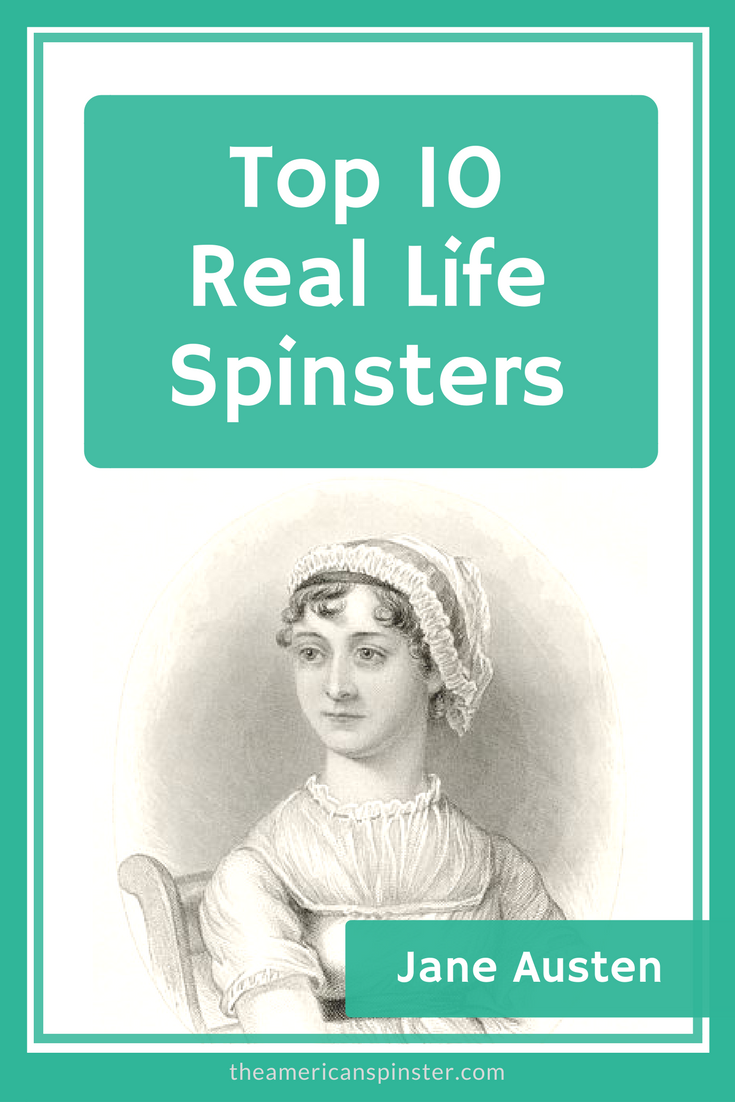
Of course Jane Austen was going to be on this list of Top 10 Real-Life Spinsters. Though she herself was not well known during her lifetime, today she is an inspiration to women, particularly happily single and childfree women, everywhere.
For any new reader of Austen’s work, it may initially come as a surprise that she never married. After all, she wrote almost entirely about happy, love-based marriages in the upper middle and upper classes. How is it that she herself was a lifelong spinster?
Spinsterhood in Victorian England
In Austen’s lifetime and social class, marriage was a responsibility to one’s family. For a woman, making a successful match ensured that one’s parents would be well-cared for in their old age. It was also most women’s only way of securing an income. For an upper middle class woman, a career would have been inappropriate (Austen herself remained an anonymous author until after her death). That left marriage as the only way to secure the future of one’s family.
However, with that responsibility came the loss of much of a woman’s autonomy. Though it might be difficult for modern readers to believe, had Austen married she would very likely have had to give up her career as a writer. Marriage in Victorian England (as mentioned in Anne Brontë‘s section on this list) was unfavorable to women. For instance:
That a woman obeyed her husband wasn’t just a religious preference – it was law.
Contraception would have been out of the question.
All income earned by a woman would have belonged to her husband.
Her children belonged to her husband.
She would – quite literally – have belonged to her husband.
If a woman managed to secure a marriage to a wealthy man of good social standing who was also progressive in his attitude toward his wife, this could all work out fine. But there’s no denying that marriage was a great risk for any independent woman. Many scholars believe that it is this reason – the retention of her freedom and pursuit of her career – that Austen never married.
Why this makes Jane Austen an inspirational spinster
Jane Austen expert David Lassman says that this notion,
“…suggests that [Austen] was not only a literary genius but a forward-thinking woman, an independent mind, an astute business person and a feminist pioneer – one who can easily take her place alongside such luminaries as Mary Astell and Mary Wollstonecraft – rolled into one.”
Had marriage been the somewhat more egalitarian institution that it is today, perhaps Jane Austen would have married one of her beaus and continued to create masterpieces of English literature. Perhaps she would still have preferred spinsterhood. As it was, however, the only way for a self-sufficient woman to remain so was to remain a spinster. And her fans are very glad she did.
Which historic spinster are you most like? Take the quiz below to find out!
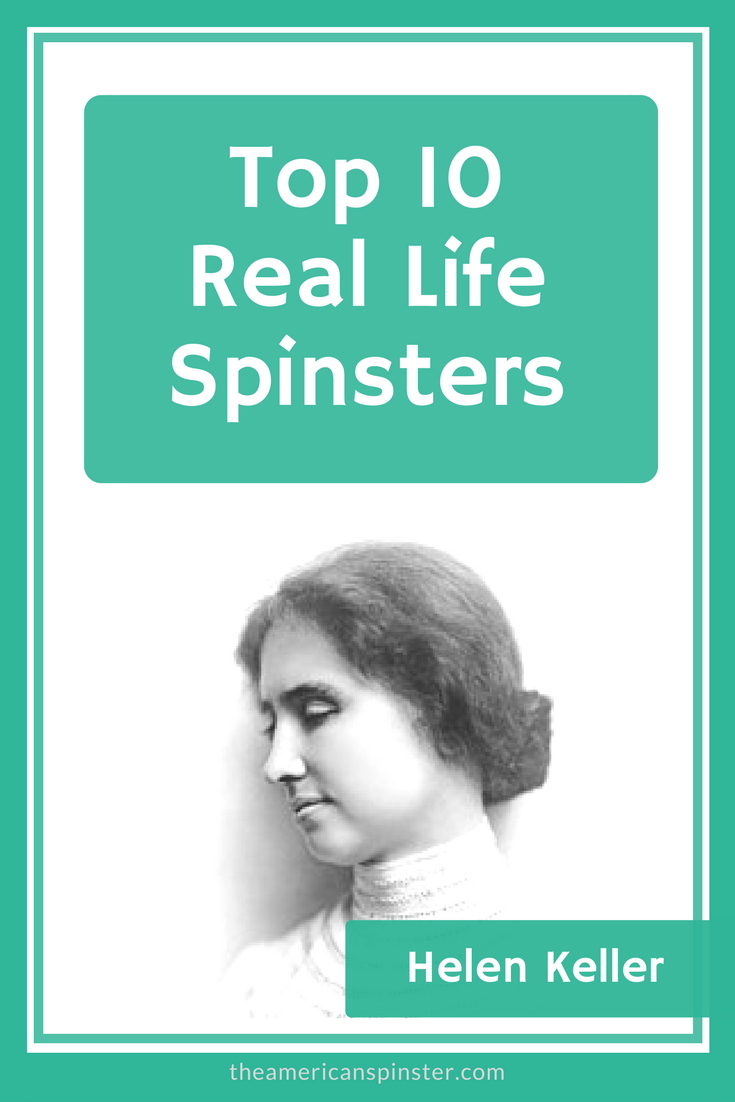
Helen Keller’s fame is such that every school child knows her name and has learned about her life.
Helen Keller’s Story
As an infant, Keller contracted measles. Though this wasn’t uncommon during the time, the disease left her both blind and deaf. The loss of two primary senses while still a baby meant that as young Helen grew older she didn’t learn to speak or communicate in any meaningful way. Keller herself says that she had no real thoughts at this time, just animalistic wants. As she continued to age, her devoted parents began to fear for her future.
Consequently, when Keller was six her parents employed Annie Sullivan, known to history as “the miracle worker.” Sullivan arrived at the Kellers’ estate and took complete charge of Helen’s care. She cut her off from her indulgent parents and their servants, moving her to a small guest house where teacher and unwilling pupil lived together. The best-known part of Annie’s teaching was manipulating Keller’s fingers to form letters and words in sign language.
The Miracle Worker
The most famous moment in Helen Keller’s life is, of course, when Sullivan signed the letters “W-A-T-E-R” into Helen’s hand while running water over it. It was in this moment that Helen had the realization that these finger movements were names, and that all things around her had them.
As the cool stream gushed over one hand [Annie Sullivan] spelled into the other the word water, first slowly, then rapidly. I stood still, my whole attention fixed upon the motions of her fingers. Suddenly I felt a misty consciousness as of something forgotten — a thrill of returning thought; and somehow the mystery of language was revealed to me. I knew then that “w-a-t-e-r” meant the wonderful cool something that was flowing over my hand. That living word awakened my soul, gave it light, hope, joy, set it free! There were barriers still, it is true, but barriers that could in time be swept away.
I left the well-house eager to learn. Everything had a name, and each name gave birth to a new thought. As we returned to the house every object which I touched seemed to quiver with life. That was because I saw everything with the strange, new sight that had come to me.
This is the miraculous story that nearly everyone knows. The story of a teacher and child who achieved what none had ever done before. But there’s so much more to Helen’s incredible life.
Helen Keller’s Secret Engagement
One of the lesser known chapters of Keller’s life came years later when she was an adult. While attitudes toward the differently-abled continue to slowly change for the better, at that time people as severely disabled as Keller generally did not marry or have children. Though Keller gained remarkable independence, she still relied on translations from Annie Sullivan to understand the world around her. Braille and sign language where more obscure then than they are today, so few people had the means to communicate with her directly.
One of the minority of people who could communicate with Keller was Peter Fagan. Fagan was hired as a temporary secretary to Helen while Annie Sullivan vacationed. The two fell deeply in love, and planned to marry. Fagan even applied for a marriage license. But it was the license, sadly, that brought about the end of their relationship.
Keller and Fagan planned to elope, but though Helen arrived at the appointed time and waited, Peter never showed up at their rendezvous. The press had found out about their marriage license, and published a sensational article about it. Keller’s mother read it, and forbade Fagan from ever returning or seeing her daughter again.
Why Helen Keller makes the list
In light of all this, it may seem odd to put Helen Keller on a list of Top 10 Spinsters, particularly at number 5. After all, Keller’s spinsterhood was not by choice. She even said that if she could see, the first thing she would do would be to marry. However, it is this very fact that makes her all the more inspiring to me.
Despite being devastated by her loss of her true love, and the unfairness of discrimination against the blind, Keller persevered. Rather than become a bitter recluse, (a la Miss Havisham), she carried on. She continued to learn and to speak out against societal wrongs. Though she realized that as a blind and deaf woman she would never be permitted to marry, she didn’t simply accept her lot and despair. She owned her spinster life. Helen Keller did more as a single woman than many people accomplish in a lifetime. Even though it wasn’t her first choice, she lived a truly amazing life as a single, childfree woman.
Which historic spinster are you most like? Take the quiz below to find out!
One of the major purposes of The American Spinster blog is to encourage women to start thinking more critically about why they want to have that ‘traditional‘ life of marriage and children. Far too many people in the US have children because they’ve been raised to believe it’s a natural milestone. Like turning 21, moving out, or getting gray hair. Parenthood is something that’s simply… assumed.
But it’s clear that not everyone is cut out to be a parent. And even those who would make good parents someday may still need to wait until the appropriate time. So here’s a list of the top 10 reasons you should not have a baby right now.
10. You’ve only recently gotten ‘baby fever.’
This is a life-changing decision that really needs to sit with you for a while before you commit to it. Chances are that waiting a year won’t affect your fertility, and will allow you to make all of the changes in your life that such a transformative decision requires. If it’s something you truly want, you’ll still want it in a year. If it’s a strong but passing impulse, you won’t have created another human on a fleeting urge.
9. You don’t have an innate desire to have a child, but you’re 34 and time’s a-wasting.
Being a parent isn’t just a full-time job, it’s a vocation. You need to be called to become the caretaker of another human being, every hour of every day of the next 18+ years. Do not have a child because you’ve internalized the idea that it’s just the next natural step in your life.
8. You haven’t thought past the baby stage.
Like a puppy or a baby bunny, it’s going to grow up – over the next couple of decades. Unless you’re just as passionate about having a 12 year old, a 14 year old, a 16 year old, and a 23 year old, you should probably consider getting your baby fix by babysitting or working at a daycare.
7. You get bored with your pets after a few months, or resent pets that require significant attention.
Don’t expect this to be different with a human. If you really want to have a child, but you know you dislike being a caretaker, pause. Before committing to motherhood, take the time to learn how to truly love caring for someone else at any time of the day or night. If you get to the point when you’re not angry about being woken in the middle of the night by a sick, elderly dog, go for it.
6. You like being in control of your life.
I’m not making a joke, here. Having a child means sacrificing your own wants (even the little tiny ones) for the wants and needs of another, all the time, for at least 18 years. And not just occasionally or in a way that makes you look like a stylish, martyr mom – but consistently, and in ways no one will ever know about. Think very seriously about everything you enjoy right now and how willing you are to give them up when you have a baby.
5. You can’t afford to provide basic life essentials for your baby.
I’m not talking about private school, ballet lessons, or a pony. Do you or you and your partner earn enough to provide adequate food, clothing, and shelter for another person? I often hear, “That’s not a good reason not to have a child. You shouldn’t have to deny yourself because of finances.” It’s true that in a perfect world anyone could have a baby regardless of how much money they have. But that’s not the case in the world we live in. It is not loving to create a child that you can’t provide for. It’s straight-up selfish.
4. You don’t like kids, but you’re sure it’ll be different when they’re your own.
3. You’re worried about being alone in your old age.
Listen, for the $245,000.00 that it’ll cost you to raise that child to the age of 18 (we’re not including college here), you could hire the very best, most loving and compassionate caretaker in the entire world. Why spend a ridiculous amount of money raising a child in the hope that it’ll be able to spare you a monthly pittance in your final years? Save half of the money that you would spend raising a child, and you’ll be set for life.
And if you believe that the only way you can guarantee that you won’t be lonely when you get older is to bind another human to you through filial obligation, work on some self love. I’m being 100% sincere; you are not so unlovable that you have any legitimate reason to fear that you’ll end up alone if you don’t have a child.
2. You’re in a bad relationship.
Please, never have a baby to ‘save’ a relationship. Aside from being totally ineffective, this is truly one of the most self-centered and unloving reasons to have a baby. And if you aren’t in a place where you are physically and emotionally safe, do not bring a baby into that situation.
1. If you’re honest with yourself, you’re really not over your own childhood.
Like everything on this list, this doesn’t apply to everyone. There are people who endured horrific abuse as children who have gone on to be truly wonderful parents. But if you aren’t sure that you won’t pass on the same bad treatment you received to your children, wait.
Work through your past. Find a good counselor you feel comfortable with. Find a support group of others who had similar childhood experiences. People pass on abuse to their children simply because they haven’t learned healthy ways to interact, and haven’t worked through their own past (which will come up again and again and again when you’re raising a kid).
A good rule of thumb is this: if you catch yourself talking to a pet (or yourself) they way an abuser talked to you, you’re not ready yet. That doesn’t mean you never will be, but now is not the time.
What brought you here today? Have you been on the fence about having kids, or were you looking for some reassurance that you’re making the right choice by staying childfree? Let me know in the comments below.
If you’d like to receive more helpful resources for your single & childfree life, join the American Spinster mailing list:
For women who live alone (especially those who work from home or don’t care much for cooking), meal times can be neglected or non-existent. If eating solo starts to feel lonesome, or if eating itself has turned into something of a necessary evil, this post is for you.
So how can you enjoy eating alone?
Take Your Time
First and foremost, set aside a few moments to eat. I’m definitely guilty of balancing a microwaved meal at my computer, but this is not the time to multi-task. If you eat while distracted, you don’t notice the taste and texture of your food the way you can when you’re focused on it. That means you enjoy it less (which can lead to eating more). Beyond that, it also contributes to unnecessary weight gain. Eating only needs to take ten minutes out of your day, so give your health the time it deserves.
Eat Something Tasty
It’s difficult to enjoy any meal, especially a solitary one, when you don’t like the food. Part of self care is eating food that both you and your body love, so make sure whatever you grab is something delicious. If you’re not sure how to fit a scrumptious meal for one into your day, check out How to Enjoy Cooking for One.
Presentation is Everything
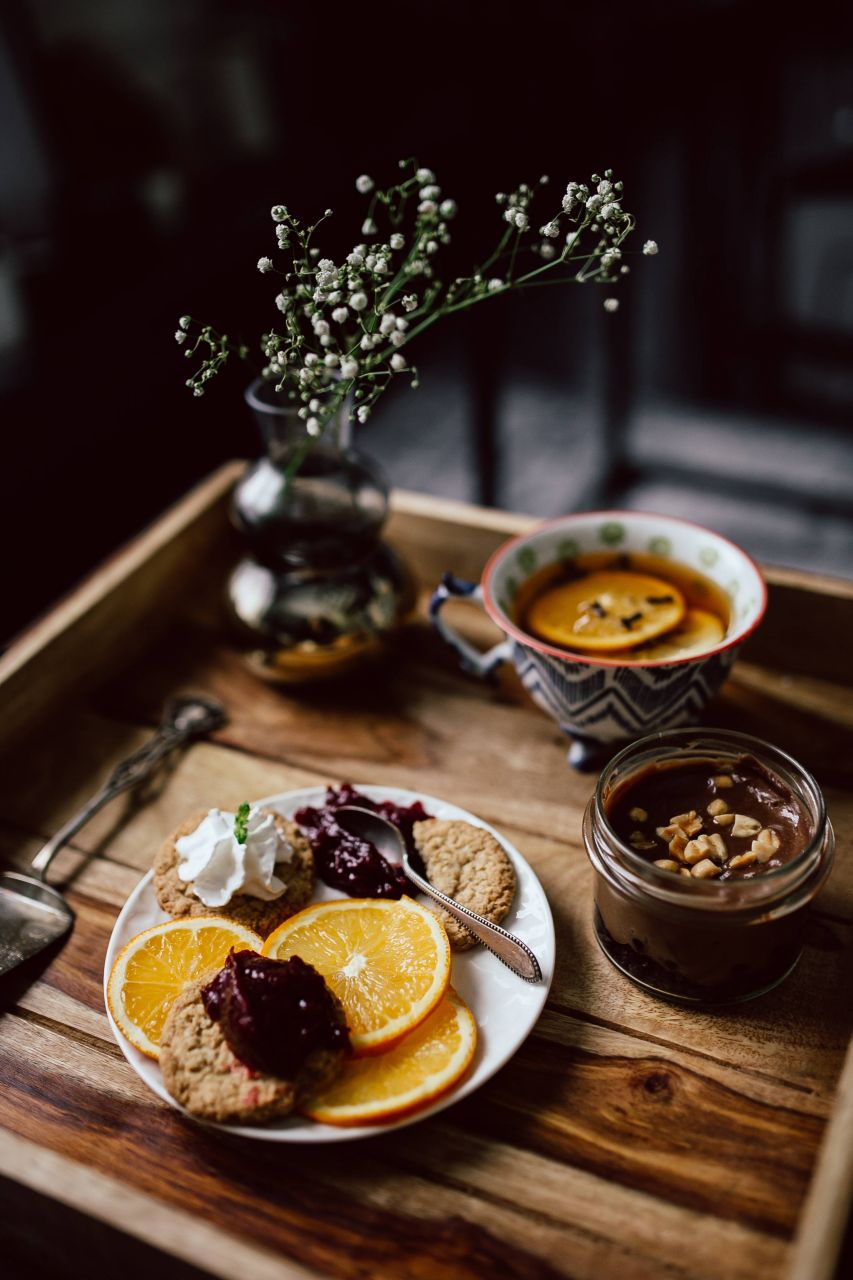
One of the reasons meals eaten around a dinner table so enjoyable is because the food is well-presented. As I mentioned earlier, I’m definitely guilty of eating right out of the freezer tray, but it’s important to take the time to pop it on a plate.
Looks much more appetizing here than a microwave-safe container.
Clear Out the Clutter
While you’re at it, try to make sure you’re eating in a pleasant area. If you can barely fit your food in between towers of books and unopened mail on the kitchen table, that’s not exactly an upscale atmosphere. Whether you’re sitting at a dining room table or a comfy couch, make sure you’re eating in a peaceful environment.
Listen to Music
I know I just got done telling you to cut out the distractions, but music can be an exception. If you’re the type to get restless and antsy without anything to occupy your mind, some background music usually helps. Just turn on a favorite song to help keep your mind from wandering away from your meal.
Putting it All Together
Each of these small changes will only add a few minutes to your day, but the results will be amazing! Pausing to eat a delicious, well-presented meal in a distraction-free environment will do wonders for your mental and physical states. Moreover, what was once a dull or rushed 5 minute meal can become one of the most enjoyable parts of your day.
Have you tried implementing these changes? Let us know in the comments below how it worked for you.
Want to see more great tips about cooking for one? Follow my Pinterest board:
Whether you love to cook or you’ve never even used your stove top, cooking for one can be a challenge. This guide will show you can you can enjoy cooking for one no matter what your dining preferences are.
If you really enjoy preparing a good meal, you may be annoyed by how difficult it is to scale your dinner down to prevent a ton of waste, or it can even leave you with a lonely feeling to do all that work for a single plate.
If you (like me) like to grab something fast and simple, you’ve probably already realized that you’re either going to be eating a lot of super-processed food or spending a small fortune on healthy individual meals.
Fortunately, there are several ways you can make cooking for yourself an enjoyable experience.
Be Prepared
Meal planning is key to having a pleasant single dining experience. Take one or two days a week (preferably a day when you don’t have to work) and make your meals for the week. If you’re an amateur chef, you can make these as elaborate as you like without worrying about wasting extra ingredients. And if you want to do the bare minimum amount of prep work, there are a multitude of quick and easy freezer recipes (see below) to help you out.
One of the very best things about being single is that you get to make all of your own decisions, and that includes eating whatever you want. Don’t settle for the perfectly portioned meal of acceptable nutritional value you found in the “meals for singles” section at Target. If what you really want is a tomato mozzarella panini, toast one up and enjoy! If you like it, there’s a single-serving or meal-prep recipe out there for it.
Wrap It Up Nice
Nothing sours a delicious defrosted meal like the dull aftertaste of freezer burn. Safeguard your hard work by keeping your meals in refrigerator- and freezer-safe containers. Make sure they’re microwave and dishwasher safe so reheating and cleanup are a breeze.
Just following these simple steps can take your cooking experience from annoying-at-best to absolutely appetizing. And if you’d like to follow up an positive cooking experience with a positive dining experience, check out How to Enjoy Eating Alone.
Want to see single cooking tips in your Pinterest feed? Follow my Cooking for One board:
So you know you’re going to stay childfree… but how to tell your parents?
Just as it’s assumed that women will have babies, it’s also assumed that parents will become grandparents. How many times in TV, movies, and day-to-day life have you heard the parent of an adult say, “I want grandbabies”? But as you know by this point, you do not owe anyone a baby.
Still, there’s the problem of disappointing your (well-meaning) parents. If you’re concerned with how you can tell your parents that you’re never having kids—without breaking their hearts and dashing their dreams—you’re in luck.
{Psst – Want some free workbook pages to help you through this process? Keep reading!}
Step 1: Preparation
1. First you need to understand and be able to explain your reasons for being childfree.
Start by making a list.
I suggest jotting down a list of all your main reasons for your decision. For example:
This list is for you, so don’t worry about how it might sound to your parents. That’s the next step…
2. Rewrite the above list for your parents’ ears.
You know your parents, so you probably already have a good idea of what their objections will be. Go back over your reasons and add in their most likely objections.
“Who feels called to be a parent? It’s everyone’s job to have kids.”
“That’s crazy. You could raise 3 good people – how does that not help the world?”
“You’d be a great parent, what are you talking about?”
“You’ll love them when they’re you’re own.”
“Stop listening to Margaret Cho.”
3. Now revise your list so your parents will be able to understand your reasons better.
I think parenting should be a vocation, and I don’t feel called to it.
I know I can do a lot of good in the world without creating another person.
I know I could probably be a decent parent if I really worked at it, but that’s not where my strengths are.
I would be the same kind of terrible mother as Margaret Cho.
Remember that your parents may need a bit of time to adjust. So if they had their hearts set on granbabies, no matter how well you phrase it they might still take the news pretty hard.
Step 2: Getting them to like the idea.
I promise it’s possible to get your parents to not just accept, but actually like that you’re childfree. But there is a process. First, allow your folks to go through the stages of grief.
Allow your folks time to feel sad.
1. Denial: They insist you’ll change your mind.
2. Anger: “After all we did for her!”
3. Bargaining: They try to convince themselves you’ll change your mind.
4. Depression: They grow despondent whenever the topic comes up.
5. Acceptance: They accept that they will have to be sad old people with no grandkids ever because their child is cold-hearted and selfish.
Once this has been accomplished, you can help them feel okay with your decision. You can even help them see its benefits and feel glad about it.
How? By understanding why they want grandchildren, and helping to meet their needs.
Alternative Ways to Meet Your Parents’ Desires
Parents tend to want grandkids for 3 main reasons:
to return to child care giving (remember they’ve spent most or all of their adult lives being a parent and change is uncomfortable)
to see the family line continue
to play with, fawn over, and brag about a young ‘un
The good news is there are other ways to meet the emotional needs contained in these wants.
Child Care Giving
Help your parents adjust to being parents of a grown woman instead of a child. (This one is fairly easy and can be very rewarding for you.) When you grew up, our society told your parents that your role was to give them new kids and that their role was to be like parents again, but without the responsibilities of an actual parent. It would be their reward for parenting.
But you know what can be equally (and probably more) rewarding? Allowing their relationship with their grown child (you) to continue to evolve, and learning how to have a happy life outside of care giving. There are a couple of good ways to do this.
Get your parents involved in your passions.
Help your parents understand what you do, and allow them to stay involved in your life. Talk to them about your career, your hobbies, and anything else that makes your childfree life amazing. Not only will this give them the opportunity to connect with you as an adult, it will give them something to brag about to their friends.
Help them discover their own passions.
Your parents could be having the same kind of awe-inspiring childfree (or… post-child?) life in their golden years that you’re having now. Ask them about what sparks their passion and encourage them to take up a hobby or volunteer job that lets them experience that. And be sure to stay involved, letting them share their enthusiasm for their new footloose and fancy-free life.
{Don’t worry if this seems like a lot to remember during the Big Talk; that’s what worksheets are for…}
Continuing The Family Line
Though I’ve been unable to find any significant studies on this, when talking with individuals I’ve found that the feeling of seeing the family name live on doesn’t necessarily have to involve creating a new human. As we age, we want to know that our name and memory will live on, and our society tells us the best/only way to do this is to have kids. But it’s not.
Show them you aren’t chopping down the family tree.
If you have your own business or brand, make your parents aware of the affect it’s having on people. Help them to see that even though you haven’t popped out a kid, you have created something that has real value.
Also, encourage them to write that book of memoirs they’ve always wanted to, or to build something (physical, digital, or emotional) that will live on after they’ve gone.
Playing with and bragging on a young ‘un
While there is absolutely no shortage of new babies or children to fawn over, if you’ve spent any time at all around grandparent hopefuls, you’ll have noticed that any period of ooing and ahhing over someone else’s baby is typically followed by, “I want a grandbaby!” Humans seem to have a real desire for a sense of ownership or relationship to a baby or child. Hopefully what we’ve already talked about will help inspire your parents to live a fulfilling life without (grand) kids, but sometimes that desire is particularly deep-rooted.
So if you parents really and truly don’t seem like they’ll be happy without being able to care about a child that they have a connection to, try getting them to join a mentoring organization like Big Brothers Big Sisters. If they do, they’ll be assigned a “Little” that they can take on day trips, buy gifts for, and brag about to their friends. The best part is that the Littles are children in need of a good role model in their lives. Most Littles are from single parent homes, lack a strong support system, or have parents who are unable to give them the attention and education they need. Your parents will be happy to have a child in their life that they can help, and their Little will benefit from their loving kindness.
To Sum It All Up
So in conclusion, remember that your parents have been just as brainwashed by our current culture as anyone else. Movies, TV, and our culture at large have told them that they need grandkids to be happy, so it’s now your job to help them see past that. The Buddha once stated that there is no act of kindness and compassion on earth great enough to repay your parents’ love, except bringing them to enlightenment. Therefore, consider the challenge of explaining why you’re childfree as your chance to help your parents live their best lives too.
Want some extra help preparing for this discussion with your parents? We’ve create three handy workbook pages to guide you through the process!
How do your parents feel about your decision not to have children? Did this guide help? Let me know in the comments below!
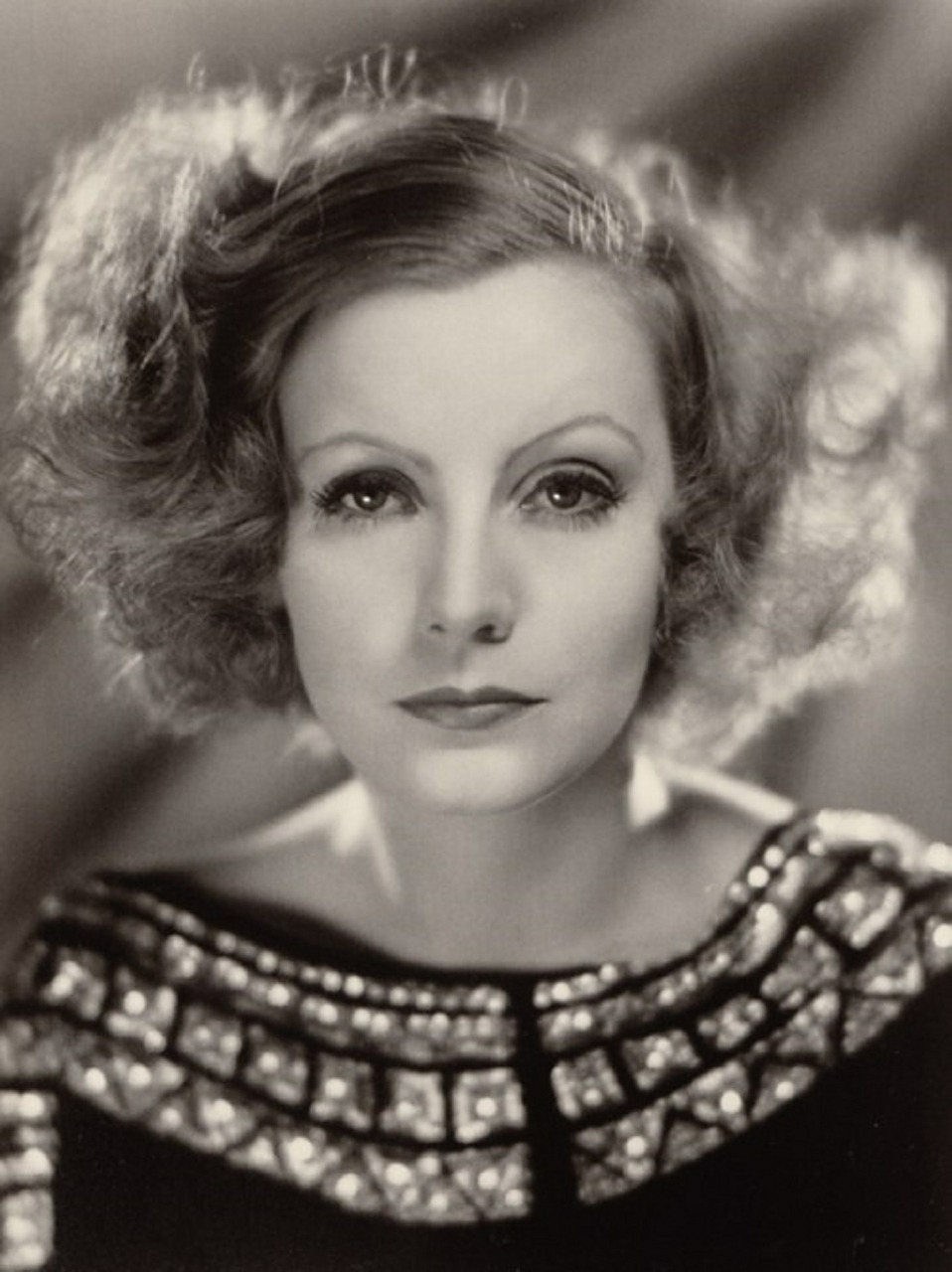
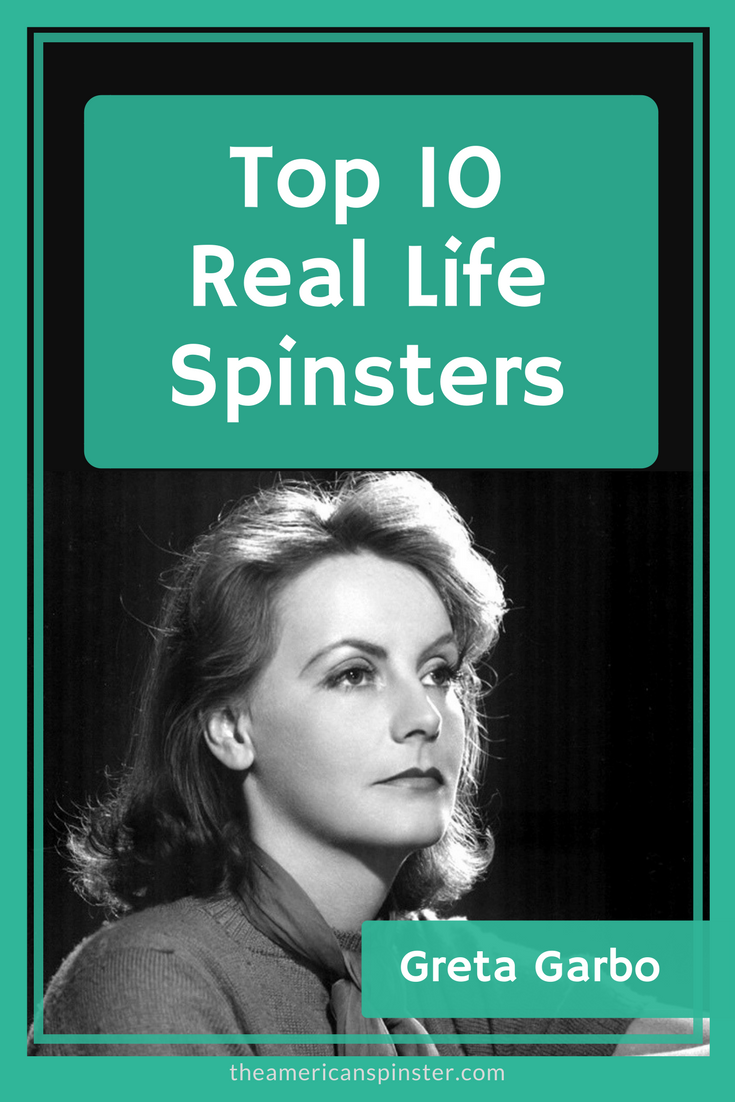
Greta Garbo and Lillian Gish (both film stars from 1920s) were contenders for this spot on the list, but while Gish is still better known for her stardom rather than her spinsterhood, Garbo has become most remembered for her desire for solitude. While Garbo insists that she herself never said “I want to be alone” (she says her actual words were “I want to be left alone,” and emphasized the difference between the two phrases), she did utter that line in the film Grand Hotel, leading to her image forever being tied to that single sentence.
However it’s undeniable that Garbo did indeed want to be left alone. Though she loved acting from childhood, she disliked the attention her career brought. She became famous off-screen for snubbing Hollywood, preferring her privacy to its social parties.
It is also clear that while she was in love with her on-again, off-again lover and fellow actor John Gilbert, she refused to get married. She is quoted as fearing that Gilbert would try to “boss” her if they became husband and wife. Later she said, “There are some who want to get married and others who don’t. I have never had an impulse to go to the altar. I am a difficult person to lead.”
Which historical spinster are you most like? Take the quiz below to find out!
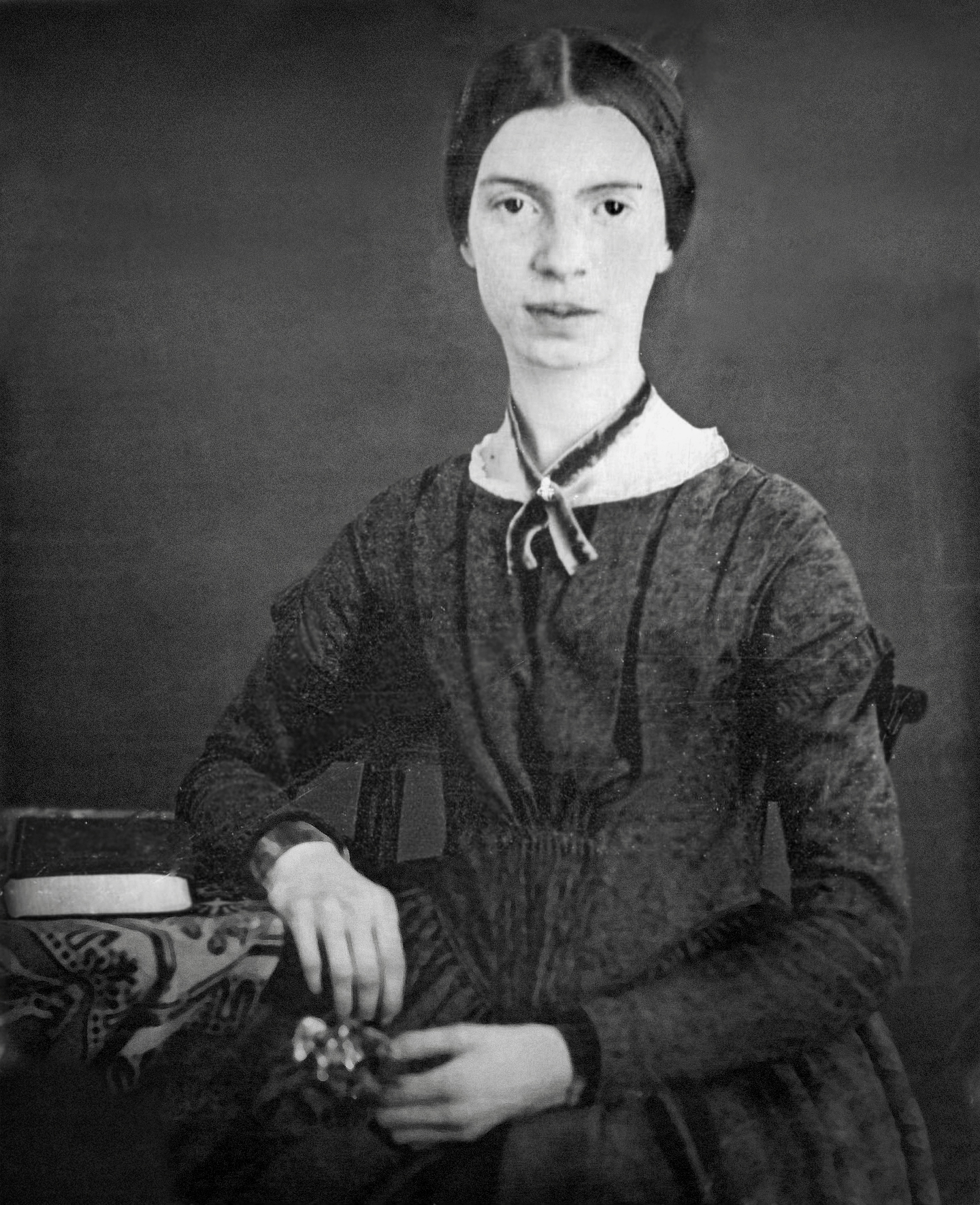
Dickinson, from the outside, may have been the image of a madwoman in the attic. However, her extreme social phobia didn’t prevent her from being an incredibly prolific (albeit, posthumous) poet. Dickinson wrote about 1800 poems, but published less than a dozen during her life. This apparent shyness could be due to what many scholars now see as an anxiety disorder. Dickinson effectively retreated from society in her twenties, rarely leaving the house in her older years. She was even reported to have once fled from the sound of neighbors approaching her home. The only company she seems to have enjoyed was that of her family, a few close friends, and some of the neighborhood children.
Whether her aversion to most social interactions was truly the result of a medical condition or simply a desire to live a cloistered life, Dickinson used her time alone to create volumes of poetry that are beloved throughout the world today. Her lyrical style, descriptive imagery, and universal themes have given her a level of fame she never wanted in life.
Though some scholars speculate Emily Dickinson had a secret love interest (derived from passionate letters written only to “Master”), she never had any open romantic relationships. And although she got along well with children, her poems don’t mention of any longing for one of her own. She was a spinster until the very end.
Which historic spinster are you most like? Take the quiz below to find out!
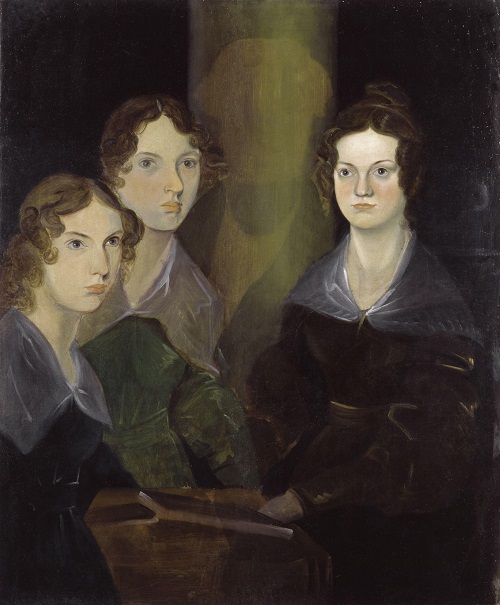
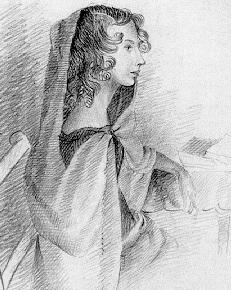
Of the three sisters (Charlotte, Emily, and Anne), only Anne Brontë makes this list. While Charlotte’s Jane Eyre rightly receives praise for its surprisingly strong-willed and independent female protagonist, Charlotte – like Jane – was happily married. The other two sisters remained unmarried until their early deaths, and Anne in particular made a somewhat revolutionary stand against the very image of marriage that Victorians so idealized.
Critique of Marriage
Anne Brontë ‘s novel, The Tenant of Wildfell Hall shines a light on the extreme lack of control married women had over their own lives and the well being of their children. In Victorian England, women could rarely sue for divorce, even in abusive situations. Further, a woman who fled from her husband could be charged with theft, since her income was legally her husband’s. If she fled with her children, she could even be charged with kidnapping. Wildfell Hall exposes these injustices as they occurred in real life.
The novel sold out within weeks of its first printing, and remained popular in Anne’s lifetime. This was due largely to the then-scandalous nature of the story. While it may not have fared well over time, it presented an unflinching look at the misery Victorian wives sometimes endured.
Personal Life and Spinsterhood
Anne’s own life was a picture of the struggle unmarried women faced. Thanks to a limited number of acceptable professions for women, she constantly struggled financially. Like her sister Emily, Anne supported herself by working, mainly as a governess and a writer. Wildfell Hall was initially published under a male pseudonym, which likely contributed to its success.
There are no records of courtship, marriage proposals, or even romances in Anne’s life. Her only dying regret was that she believed she had accomplished very little with her time on earth.
Which historic spinster are you most like? Take the quiz below to find out!